Résumer cet article avec :
 ChatGPT
 Mistral
 Claude
 Perplexity
 Grok
Grok
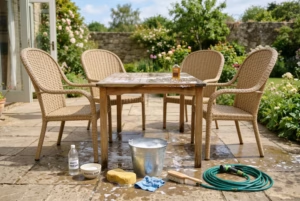
As soon as the first warm days arrive, most of us want to throw open the patio doors and enjoy the garden — only to find the chairs and table covered in grime, green algae and last autumn’s leaves. Knowing how to clean garden furniture properly is the difference between a five-minute refresh and a frustrating afternoon of scrubbing. The good news? For most pieces, a bucket of warm soapy water, a soft sponge and a little patience are all you need to bring your garden furniture back to life.
In this guide, we’ll walk you through how to clean garden furniture of every material — wood, metal, plastic, rattan and fabric cushions — using simple, mostly natural methods you can do at home. Whether your set is brand new or has been neglected for years, you’ll find the right approach below.
Why it’s worth cleaning your garden furniture regularly
It’s tempting to clean your outdoor set just once a year, but a little regular care goes a long way. Cleaning garden furniture often does more than keep it looking smart — it protects your investment and prevents costly damage. Here’s why it matters:
- Prevents permanent damage — standing water, moss and mould can rot wood, corrode metal and stain fabric if left unchecked
- Spots problems early — regular wipe-downs help you catch cracks, chipped paint or the first signs of rust before they spread
- Keeps it ready to use — a quick clean means your furniture is always set for an unexpected sunny afternoon
- Extends its lifespan — well-maintained garden furniture simply lasts longer and looks better year after year
A good rule of thumb is to give your garden furniture a thorough clean seasonally — around four times a year — with quick rinses in between.
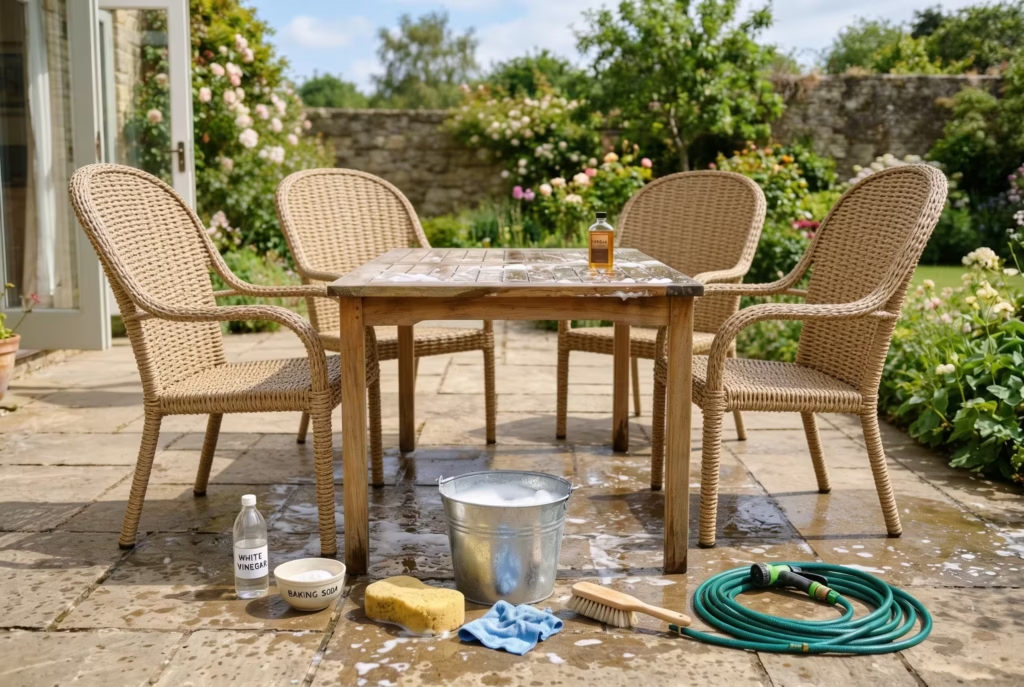
Garden Furniture Cleaner and Treatment (Oil and Equipments)
You almost certainly already own everything you need. Before you start, gather a few basics so you’re not running back and forth to the shed. The essential kit for cleaning garden furniture includes:
- A bucket of warm water and a little washing-up liquid (or a mild, non-detergent soap)
- A soft cloth, sponge and a soft-bristled brush for stubborn dirt
- A garden hose for rinsing — or a pressure washer for heavy grime on tough materials
- White vinegar and baking soda for natural stain removal
- A dry microfibre cloth, plus any material-specific oil, wax or sealant for finishing
That’s the foundation. From here, the exact method depends on what your furniture is made of — so let’s go material by material.
How to clean garden furniture: the basic method
Whatever your furniture is made of, the core routine is the same. Master this and you’ll handle 90% of jobs.
- Move and clear — take the furniture onto an open patch of patio or lawn and brush off loose dirt, leaves and cobwebs with a dry hand brush.
- Rinse first — give everything a quick rinse with the garden hose to wash away the worst of the surface dust.
- Wash gently — dip your sponge in warm soapy water and clean in circular motions (or, for wood, along the grain), changing the water as it gets dirty.
- Tackle stains — treat any stubborn marks with a diluted white vinegar solution or a paste of baking soda and water.
- Rinse thoroughly — remove every trace of soap, as residue can leave streaks or attract more dirt.
- Dry completely — wipe down with a dry cloth and let everything air-dry in the sun before use.
Always choose a warm, dry day so your garden furniture dries quickly and naturally — this is especially important for wood, which can swell or stay damp if left wet.
Cleaning Wood Garden Furniture (and wood stains)
Wood is beautiful but needs the gentlest touch. The best way to clean wooden garden furniture without sanding is with a mild soap solution and a soft brush, always working in the direction of the grain. Apply the soapy water, loosen any dirt and marks, then rinse with clean water and wipe dry with a soft cotton cloth.
Hardwoods like teak, eucalyptus and acacia are naturally weather-resistant and can handle slightly more robust cleaning. Softer or painted woods need extra care — avoid wire brushes and harsh chemicals, which can scratch the surface and let dirt settle more easily. For grey, weathered timber, a dedicated wooden garden furniture cleaner or wood reviver will lift the dull surface layer without aggressive abrasion.
If you’d rather keep things natural, a gentle solution of warm water and a splash of white vinegar works well on light mildew spots — though avoid soaking the wood. Once clean and fully dry, finish with a coat of teak oil or a suitable sealant once a year to protect against the elements. The same gentle principles apply whether you’re caring for an outdoor bench or restoring indoor wooden furniture.
A quick word on white spirit: it’s a common myth that white spirit is ideal for cleaning wood. In fact, paint experts advise against using white spirit or turps on natural timber, as it can leave residues and damage the finish. Stick to soapy water for everyday cleaning.
How to clean metal garden furniture (and remove rust)
Most weatherproof metal patio sets — steel, aluminium and wrought iron — clean up beautifully with warm water, a mild non-detergent soap and a soft cloth or sponge. Work in circular motions, rinse well and dry thoroughly to prevent water spots. The golden rule with metal garden furniture is to avoid abrasive scrubbers, which create tiny scratches where rust can take hold.
Rust is the main enemy here. To remove rust from garden furniture:
- For light surface rust, scrub gently with a wire brush, then treat with a 50/50 solution of distilled white vinegar and water
- For tougher patches, use a dedicated chemical rust remover, then buff the bare metal
- Once the rust is gone, seal the area with a wax coating or touch-up paint to stop it returning
Aluminium can develop a dull, spotted look from oxidisation — restore the shine with that same vinegar solution and a soft wire brush, then finish with an aluminium-safe wax. Whatever the metal, a furniture cover between uses dramatically reduces how often you’ll need to clean garden furniture made of metal.
How to clean plastic and white plastic garden chairs
Plastic is the most low-maintenance material of all, which is why those stackable white chairs are a UK garden staple. To clean garden furniture made of plastic, simply wipe it down with warm soapy water and a sponge, then rinse with the hose.
White plastic chairs are notorious for going grey and grimy. To get them gleaming again:
- Make a paste of baking soda and water, or use a 50/50 white vinegar and water spray
- Scrub the surface and crevices with a soft brush (a drill brush attachment makes light work of textured chairs)
- For stubborn discolouration, a specialist plastic cleaner contains active dirt removers that ordinary all-purpose sprays lack
- Rinse thoroughly and dry
Avoid using a pressure washer on thin, lightweight plastic — the high-pressure jet can crack or shatter it. To prevent that chalky “sun-bleached” fading, store plastic furniture in the shade or under a cover when it’s not in use.
How to clean rattan and wicker garden furniture
Rattan and wicker have lots of nooks and crannies where dust and grime collect, so start dry. Use a vacuum cleaner with a brush attachment (or a soft-bristled brush) to lift loose dirt from the gaps and weave.
Next, wash along the direction of the strands using a cloth or sponge dipped in warm, soapy water. The key is not to over-saturate — too much water can make natural rattan swell, warp or trap moisture that leads to mould. A used toothbrush is perfect for getting into tight corners. Rinse lightly, then dry thoroughly, ideally in the sun.
Synthetic (PE) rattan is far more forgiving and can take a gentle hose-down, but the same “don’t drench it” principle keeps the frame underneath protected. For more detail on this popular material, see our dedicated guide to cleaning rattan furniture. As with natural rattan, store the set somewhere dry over winter to prevent it becoming brittle.
How to clean garden furniture cushions (and tackle mould)
Cushions and fabric covers take the most abuse — sun cream, food spills, rain and mildew. Before you do anything, check the care label: many outdoor fabrics are treated with a weatherproof coating that a hot machine wash can strip away.
For removable covers that are machine-safe, a cool, gentle wash with mild detergent usually does the job. For fixed cushions or covers labelled hand-wash only:
| Problem | Natural solution | Method |
|---|---|---|
| General dirt | Warm water + washing-up liquid | Sponge on, scrub gently, rinse and air-dry |
| Mould & mildew | White vinegar (undiluted) | Spray on spots, leave 1 hour in the sun, scrub and rinse |
| Greasy food stains | Baking soda paste | Apply, leave 15 min, brush off and rinse |
| Lingering smells | Baking soda (dry) | Sprinkle, leave overnight, vacuum off |
Always let cushions dry completely — standing them on their side in the sun speeds things up — before storing them, as trapped damp is what causes mould to return. If your covers are machine-washable but heavily soiled, a maintenance wash like the ones we cover in our guide to keeping a washing machine clean will stop odours transferring to the fabric.
How to clean garden furniture naturally with vinegar and baking soda
You don’t need harsh chemicals to get great results. Cleaning garden furniture naturally is cheaper, kinder to your plants and pets, and surprisingly effective. Here are three tried-and-tested recipes:
| Natural cleaner | Recipe | Best for |
|---|---|---|
| All-purpose soapy mix | 1 tbsp washing-up liquid + bucket of warm water | Everyday dirt on all materials |
| Vinegar spray | Equal parts white vinegar and water | Mould, mildew, water marks, light rust |
| Baking soda paste | 3 tbsp baking soda + a little water | Grease stains, grimy white plastic |
TV cleaning expert Nancy Birtwhistle’s popular wooden furniture recipe — 3 tbsp vinegar, 1 tbsp eco washing-up liquid, a bucket of hot water and a few drops of tea tree oil — is a brilliant natural all-rounder. Whichever recipe you choose, always rinse afterwards and test on a small hidden area first, especially on delicate or painted surfaces.
How often should you clean garden furniture?
For most UK gardens, cleaning garden furniture seasonally — around four times a year — strikes the right balance. Give it a thorough clean in spring before the season starts, a couple of light cleans through summer, and a final deep clean in autumn before you pack it away.
| Material | Recommended cleaning frequency | Winter storage |
|---|---|---|
| Wood | Seasonally + oil/seal once a year | Store indoors or cover well |
| Metal | Seasonally; check for rust regularly | Cover to prevent damp |
| Plastic | 2–4 times a year (low maintenance) | Move to shade or shed |
| Rattan/wicker | Seasonally; vacuum in between | Store somewhere dry |
| Cushions | After spills; deep clean seasonally | Always store indoors |
The single most effective habit is using covers and bringing cushions indoors — it slashes how often you’ll need to scrub.
Cleaning and Treating Wood Patio Furniture
If your set has been neglected for years, don’t despair — most pieces can be revived. Start by inspecting for damage: check wood for rot, metal for deep rust and joints for stability, and fix anything unsafe before cleaning. Then deep clean using the right method for the material, removing all grime, moss and stains.
The finishing touches are what truly transform tired patio furniture: re-oil or re-stain faded wood, touch up chipped paint and treat rust on metal, and apply a fresh wax or sealant for protection. New cushions or a quick coat of outdoor paint can make a decade-old set look brand new for a fraction of the cost of replacing it.
FAQ
What is the best thing to clean outdoor furniture with?
For most outdoor furniture, the best all-round cleaner is a simple mix of warm water and a mild washing-up liquid applied with a soft sponge. For a natural stain-buster, combine half a cup of dish soap, a cup of white vinegar and a bucket of warm water — it lifts grime and tackles mildew without damaging surfaces.
Can I use white spirit to clean wood?
It’s best avoided. Paint and timber experts recommend against using white spirit or turpentine on natural wood, as it can leave residues and harm the finish. For cleaning wooden garden furniture, stick to a gentle soap solution and work along the grain.
How do I clean white plastic outdoor chairs?
Scrub them with a baking soda paste or a 50/50 white vinegar and water spray, using a soft brush to reach into textured areas and crevices. Rinse well and dry. A drill brush attachment makes quick work of stubborn grey grime on white plastic.
Can I use a pressure washer on garden furniture?
Yes — but selectively. Pressure washers are great for robust hardwood, metal and synthetic rattan, but they can crack thin plastic, splinter soft wood and damage delicate fibres. Always use a low setting, keep your distance, and never blast painted or fragile surfaces directly.
How do I get rid of mould on garden furniture cushions?
Spray undiluted white vinegar directly onto the mouldy spots, leave it to work for about an hour (ideally in the sun), then scrub gently and rinse. Let the cushions dry completely before storing — trapped moisture is what allows mould to come back.
What’s the easiest way to keep garden furniture clean?
Prevention beats scrubbing. Use breathable furniture covers, bring cushions indoors when not in use, and give everything a quick hose-down between deep cleans. This keeps dirt, leaves and damp at bay and means your seasonal clean takes minutes rather than hours.