Summarise this article with:
 ChatGPT
 Mistral
 Claude
 Perplexity
 Grok
Grok
There’s nothing quite like walking into a kitchen that’s truly spotless — not just surface-level tidy, but deeply, thoroughly clean. Yet after weeks of cooking, splashing, and snacking, even the most well-kept kitchens accumulate hidden grease, grime, and stubborn stains that regular wiping simply won’t shift.
Whether you are tackling a long-overdue spring cleaning checklist or simply want to restore your kitchen to its former glory, this guide walks you through everything you need to know about kitchen deep cleaning — from the supplies you’ll need to a full room-by-room breakdown. Let’s roll up our sleeves and get started.
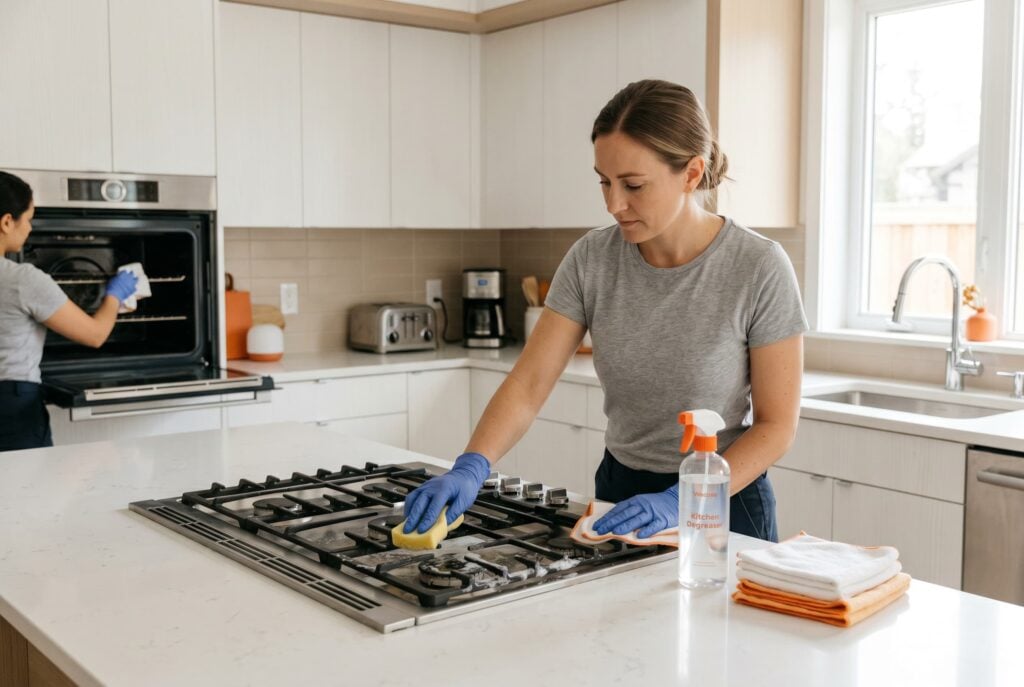
What Does Deep Cleaning a Kitchen Include : Ultimate Checklist ?
A deep clean kitchen session goes far beyond your daily wipe-down. It’s a thorough, top-to-bottom process that targets areas you’d typically skip during routine cleaning.
Here’s what it typically involves:
- Decluttering countertops, cupboards, and drawers
- Degreasing the oven, hob, and extractor fan
- Scrubbing the sink, worktops, and backsplash
- Cleaning inside appliances — fridge, dishwasher, microwave
- Wiping down cabinets inside and out
- Mopping and disinfecting floors, skirting boards, and walls
Think of it as a full reset for the heart of your home. The goal is to remove built-up grease, eliminate bacteria, and leave every surface sparkling.
What Do I Need to Deep Clean My Kitchen?
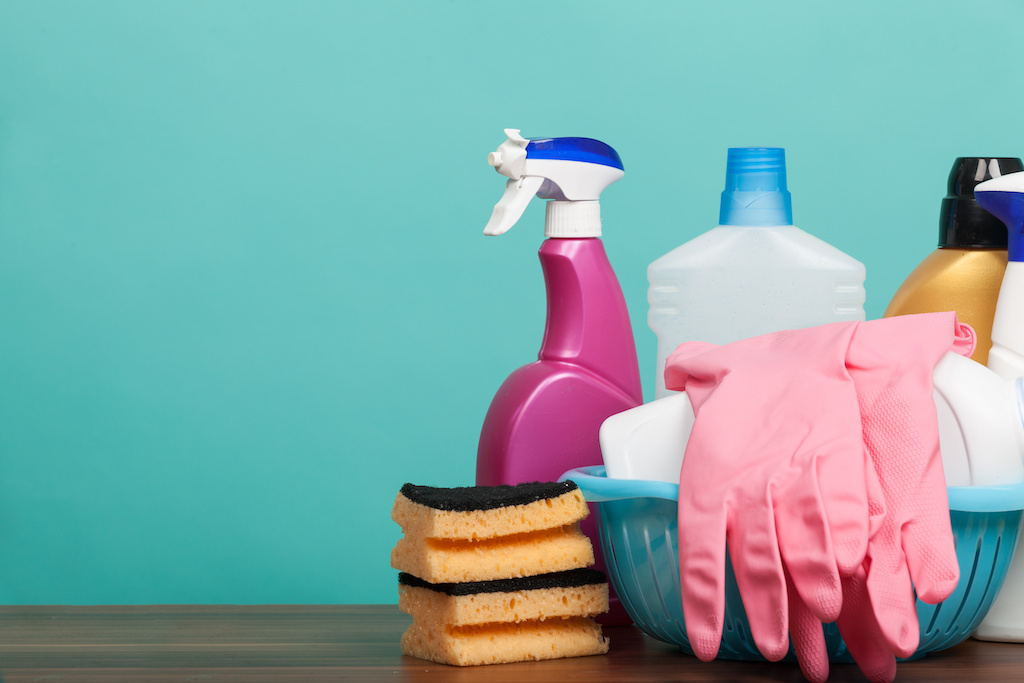
Before you start, gather all your supplies in one place. Having everything to hand saves you running back and forth — and keeps you motivated.
| Supply | What It’s For |
|---|---|
| All-purpose cleaner or degreaser | Countertops, cabinets, and general surfaces |
| Baking soda | Scrubbing stubborn stains and deodorising |
| White vinegar | Cutting through grease and limescale |
| Dish soap | Soaking removable parts and general washing |
| Microfibre cloths | Streak-free wiping on all surfaces |
| Scrubbing brush / old toothbrush | Grout lines, crevices, and hard-to-reach spots |
| Mop and bucket | Floor cleaning |
| Rubber gloves | Protecting your hands from chemicals |
| Bin bags | Clearing out expired food and clutter |
If you’re a fan of natural products, a simple mix of white vinegar for cleaning combined with baking soda handles most kitchen jobs brilliantly.
Deep Cleaning Kitchen Checklist: 7 Steps Guide
The golden rule of kitchen deep cleaning? Always work from top to bottom. Dust and debris fall downwards, so cleaning high areas first means you won’t have to redo your floors later.
Step 1: Declutter and Clear All Surfaces
Start by removing everything from your countertops, shelves, and inside your cupboards. This gives you full access to every surface and lets you sort through items you no longer need.
Create three piles: keep, donate, and bin. Expired food, chipped mugs, and mystery containers from the back of the fridge? Time to let them go. Less clutter means less to clean — and a more organised kitchen afterwards.
Pro tip: Take a quick photo of each drawer before emptying it. It makes putting everything back much easier.
Step 2: Start From the Top — Ceilings, Cabinets, and Extractor Fan
Grab a microfibre cloth on a long handle and dust the ceiling corners, light fittings, and tops of your cabinets. These high spots collect a surprising amount of greasy dust over time.
Don’t forget your extractor fan — a neglected fan becomes clogged with grease and dust, reducing airflow and even posing a fire risk. Remove the filter (most clip out easily) and soak it in warm soapy water with a splash of degreaser. Wipe down the fan housing with a damp cloth, then leave everything to dry completely before refitting.
Step 3: How to Deep Clean Kitchen Cabinets
Cabinets — especially those near the hob — attract fingerprints, grease splatters, and dust. With the contents already emptied, wipe the insides with a damp cloth dipped in warm soapy water. For the exterior, a solution of equal parts vinegar and water cuts through greasy residue without damaging the finish.
For wooden cabinets, dry them immediately after wiping to prevent water damage. Pay extra attention to handles and hinges — these high-touch areas harbour more germs than you’d think.
Step 4: Deep Clean Kitchen Appliances
This is the big one. Your appliances work hard, and they deserve some serious attention during a deep clean.
Oven
Remove the racks, soak them in hot soapy water, and scrub away any baked-on residue. For the oven interior, apply a paste of baking soda and water, leave it for at least 30 minutes (or overnight for tough grease), then wipe clean with a damp microfibre cloth. Don’t forget to clean the oven glass too — a mix of baking soda and vinegar works wonders. For heavily soiled oven racks, a long soak in the bathtub with dishwasher tablets does the trick.
Fridge
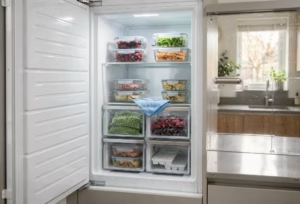
Empty the fridge completely, discarding anything past its best. Remove shelves and drawers, and wash them in warm soapy water. Wipe down the interior walls with a solution of vinegar and water — avoid strong chemicals as they can leave lingering odours. If your fridge has developed an unpleasant smell, you can get rid of fridge odours by placing an open box of baking soda inside once it’s clean.
Dishwasher
Your dishwasher needs cleaning too. Start by removing and rinsing the dishwasher filter — you’ll often find trapped food debris lurking there. Then place a cup of white vinegar on the top rack and run a hot empty cycle to disinfect and deodorise. For a full walkthrough, see our guide on how to clean a dishwasher.
Microwave
Fill a microwave-safe bowl with water and a few slices of lemon (or a splash of vinegar). Heat on full power for 3–5 minutes — the steam loosens dried-on food splatters, making them easy to wipe away with a cloth. For a detailed method, check our tips on how to clean a microwave.
Small Appliances
Unplug your kettle, toaster, and coffee maker. Empty the crumb tray from your toaster, descale the kettle with a vinegar-and-water boil, and wipe down all outer surfaces. These small appliances often get overlooked, but they collect just as much grease and grime as the larger ones.
Step 5: How to Deep Clean Kitchen Sink and Worktops
The kitchen sink is one of the most bacteria-prone surfaces in your home. Sprinkle baking soda across the basin, scrub with a damp brush, and rinse thoroughly. For stubborn stains, let a paste of baking soda and water sit for 10 minutes before scrubbing. Don’t forget to clean the taps and handles with vinegar — they’ll come up gleaming.
If your drain is sluggish, pour half a cup of baking soda followed by vinegar down the plughole, wait 15 minutes, then flush with boiling water. For persistent blockages, our guide on how to unblock a sink covers everything you need.
For worktops, use a cleaner suited to the material:
| Worktop Material | Best Cleaner | What to Avoid |
|---|---|---|
| Laminate | Anti-bacterial spray | Abrasive scrubbers |
| Granite / stone | pH-neutral cleaner | Vinegar or acidic products |
| Wood / butcher block | Warm soapy water + mineral oil | Excess water, bleach |
| Stainless steel | Microfibre cloth + specialist spray | Steel wool |
Step 6: Deep Clean Kitchen Walls and Backsplash
Kitchen walls collect more splashes and grease than you’d expect, especially around the hob area. Use a gentle degreaser and a soft cloth to wipe down painted walls — test in an inconspicuous spot first if you’re unsure. For tiled backsplashes, scrub the grout lines with an old toothbrush and a paste of baking soda and water. If your grout has yellowed, a dedicated homemade grout cleaner recipe can restore it beautifully. For greasy patches near the cooker, our tips on getting grease off walls will help you tackle even the toughest marks.
Step 7: Deep Clean Kitchen Floor
Save the floors for last — all the dust and debris from cleaning above will have settled by now. Sweep or vacuum first to remove loose dirt, paying special attention to corners and under appliances. Then mop with a disinfectant floor cleaner.
For tile floors, use a grout cleaner on any discoloured lines. For wooden or laminate floors, a damp (not soaking) mop with a gentle cleaner avoids warping. If you’d like detailed advice for your specific flooring, our guide to floor cleaning methods covers every type, and you can also explore tips for cleaning kitchen floors specifically.
How to Clean a Kitchen Quickly (When You’re Short on Time)
Not everyone has a full day to dedicate to a kitchen deep clean. If you’re pressed for time, focus on the highest-impact zones:
- Clear and wipe countertops — instant visual improvement
- Scrub the sink — takes five minutes and makes a huge difference
- Wipe appliance fronts — fridge, oven, and dishwasher doors
- Sweep and spot-mop the floor — concentrate on visible areas
Even 30 minutes of focused cleaning can transform a messy kitchen. The trick is to work in zones rather than trying to do everything at once.
How Often Should You Deep Clean Your Kitchen?
As a general rule, aim for a full deep clean kitchen session every 3 to 6 months. Between deep cleans, regular weekly maintenance keeps things under control.
| Task | Frequency |
|---|---|
| Wipe countertops and hob | Daily |
| Clean the sink | Daily |
| Mop the floor | Weekly |
| Clean inside the fridge | Monthly |
| Deep clean the oven | Every 3 months |
| Full kitchen deep clean | Every 3–6 months |
If you cook frequently or have a busy household, you may want to deep clean quarterly. For lighter-use kitchens, twice a year (spring and autumn) is usually sufficient.
Kitchen Deep Clean Cost: Is It Worth Hiring a Professional?
If the thought of tackling every surface yourself feels daunting, a professional cleaning service can be a smart investment. In the UK, a professional kitchen deep clean typically costs between £100 and £250, depending on the size of your kitchen and the level of grime.
Professional cleaners bring commercial-grade products and equipment — including steam cleaners and industrial degreasers — that can achieve results difficult to replicate at home. It’s particularly worthwhile for end-of-tenancy cleans, post-renovation tidying, or kitchens that haven’t been deep cleaned in a long time. Wecasa’s professional house cleaners can handle the hard work so you don’t have to.
What Do Professionals Use to Clean Kitchens?
Professional cleaners rely on a combination of specialist products and technique:
- Commercial degreasers — far stronger than household sprays, these cut through baked-on grease effortlessly
- Steam cleaners — ideal for sanitising surfaces, floors, and appliances without chemicals
- Anti-bacterial sprays — food-safe formulas designed for kitchen use
- Microfibre cloths and mop heads — more effective at trapping bacteria than standard cloths
- Specialist oven and hob cleaners — formulated to dissolve carbonised food safely
The key difference isn’t just the products — it’s the method. Professionals work systematically, allowing cleaning solutions proper contact time to break down grease before wiping, which dramatically reduces scrubbing effort.
Common Mistakes When Deep Cleaning a Kitchen
Even with the best intentions, it’s easy to make errors that waste time or damage surfaces:
- Working bottom to top — always start high and work downwards, or you’ll re-dirty clean floors
- Using the wrong cleaner on worktops — vinegar can etch natural stone; always check your surface type
- Forgetting to clean behind appliances — pull out the fridge and oven to clean the walls and floor behind them
- Skipping the extractor fan — a greasy filter reduces efficiency and can become a fire hazard
- Not letting products sit — applying a degreaser and immediately wiping defeats the purpose; give it 10–15 minutes to work
How Do I Deep Clean Without Getting Overwhelmed?
A full kitchen deep clean can feel like a mammoth task — but breaking it into manageable chunks makes it far less stressful:
- Set a timer — work in 20-minute bursts with 10-minute breaks (the popular “20/10 method”)
- Tackle one zone at a time — don’t try to clean everything simultaneously
- Put on music or a podcast — it makes the time fly
- Celebrate small wins — a sparkling sink or a grease-free hob deserves a moment of satisfaction
- Spread it over two days — there’s no rule saying it all has to happen at once
Remember, even professional cleaners work in stages. A deep clean doesn’t have to mean an exhausting marathon.
FAQ
How do you deep clean a filthy kitchen?
Start by decluttering all surfaces and removing everything from inside cupboards. Work top to bottom: dust high areas, then degrease appliances (oven, hob, fridge), scrub the sink and worktops, wipe down cabinets and walls, and finish by mopping the floor. Let your cleaning products sit for 10–15 minutes before wiping to break down stubborn grease.
What is the 20 minute rule of cleaning?
The 20-minute rule (also called the 20/10 method) means you clean intensively for 20 minutes, then take a 10-minute break. It’s designed to prevent burnout during big cleaning sessions and helps you stay focused and productive without feeling overwhelmed.
What should a cleaner do in 2 hours in the UK?
In a two-hour session, a professional cleaner can typically cover the kitchen (wiping surfaces, cleaning the hob and sink, mopping the floor), the bathroom (toilet, shower, basin), and general tidying of living areas including hoovering and dusting. A full deep clean of the kitchen alone may require a dedicated session.
Can you deep clean a kitchen in one day?
Yes, most domestic kitchens can be deep cleaned in 4–6 hours if you work methodically. Larger kitchens or those with heavy grease buildup may take a full day. Breaking the job into phases (morning: declutter and appliances; afternoon: surfaces, walls, and floors) keeps it manageable.
What is the best order to deep clean a kitchen?
The best approach is top to bottom, inside to outside: start with ceilings and light fittings, move to cabinets and appliances, then tackle worktops and the sink, followed by walls, and finish with floors. This prevents dirt from falling onto already-cleaned surfaces.
How much does a professional kitchen deep clean cost in the UK?
A professional kitchen deep clean in the UK typically ranges from £100 to £250, depending on kitchen size, condition, and location. Some services charge by the hour (around £20–£30 per hour), while others offer fixed-rate packages for the whole job.