Summarise this article with:
 ChatGPT
 Mistral
 Claude
 Perplexity
 Grok
Grok
Rattan furniture brings a warm, natural elegance to any home or garden — but it does need a little attention to stay looking its best. Whether you have a classic natural rattan chair in your living room or a synthetic rattan dining set on your patio, regular cleaning will keep it in great shape for years to come.
Good news: cleaning rattan furniture is surprisingly simple once you know the right approach. Here’s everything you need to know about rattan furniture care, from quick dusting routines to deep-cleaning stubborn stains.
What Is Rattan and Why Does It Need Special Care?
Rattan is a climbing palm native to tropical regions, prized for its flexibility and strength. Its woven fibres create beautiful furniture, but the intricate weave can trap dust, dirt, and moisture over time. Without proper rattan furniture maintenance, natural rattan can become brittle, warped, or even mouldy.
Understanding your material is the first step before you start cleaning.
Natural Rattan vs Synthetic Rattan: Know the Difference
Before picking up a cloth, it helps to identify what type of rattan you’re dealing with, as they require different care methods.
| Feature | Natural rattan | Synthetic (PE) rattan |
|---|---|---|
| Material | Woven plant fibres | Plastic-based resin |
| Best location | Indoors or sheltered areas | Outdoors, all weather |
| Water tolerance | Low — avoid soaking | High — can be rinsed with a hose |
| UV resistance | Low — fades in direct sunlight | High — typically UV-treated |
| Maintenance level | Moderate | Low |
Natural rattan is lightweight and elegant but susceptible to moisture damage. Synthetic rattan, often called polyrattan, is weatherproof and much more forgiving when it comes to water exposure.
How to Clean Natural Rattan Furniture (Step by Step)
Natural rattan is a beautiful material, but it requires a more delicate approach. Here’s how to clean indoor rattan furniture safely:
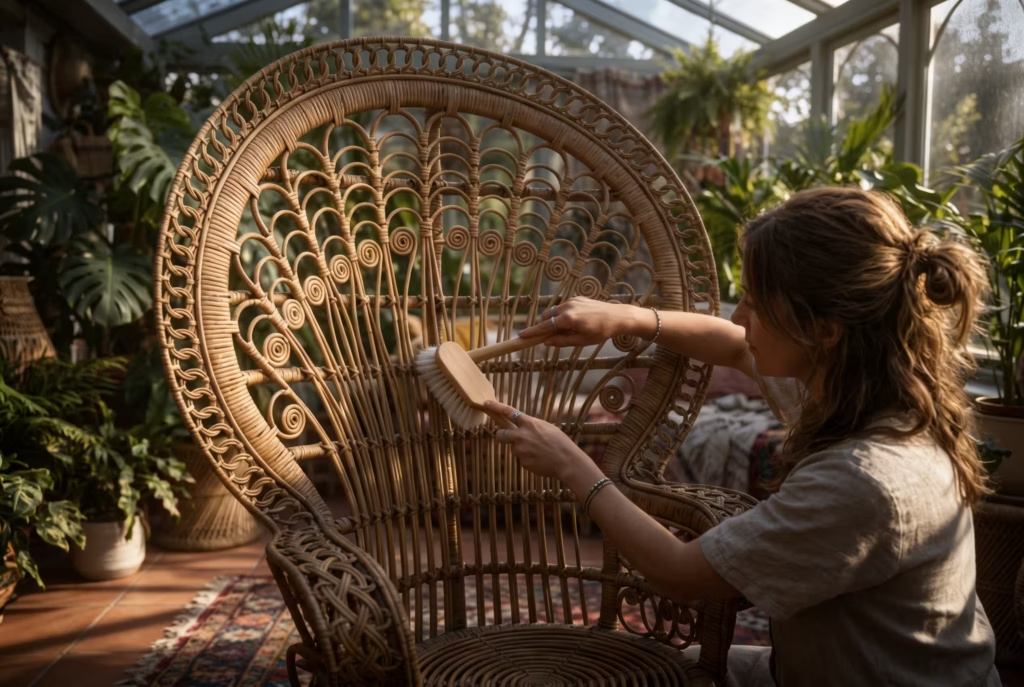
- Dust thoroughly — Use a vacuum cleaner with a brush attachment to remove loose dust, cobwebs, and debris from the weave. A soft-bristled brush or dry cloth works just as well for a quick once-over.
- Tackle tight spots — Grab a toothbrush or cocktail stick to dislodge dirt from crevices and tight weave patterns.
- Wash gently — Mix a few drops of mild washing-up liquid into a bowl of warm water. Dip a soft cloth into the soapy water, wring it out well, and wipe down the furniture. Avoid oversaturating the rattan — too much moisture can weaken the fibres.
- Rinse with a damp cloth — Go over the furniture again with a clean, damp cloth to remove any soap residue.
- Dry completely — Blot excess moisture with a dry towel and leave the piece in a well-ventilated area to air dry. Never leave natural rattan sitting damp, as this can cause warping or mould growth.
How to Clean Rattan Garden Furniture (Synthetic)
If you’re wondering how to clean plastic rattan furniture, the process is a bit more straightforward since synthetic rattan is designed to handle the outdoors.
- Brush off loose dirt and dust, or vacuum with a brush attachment.
- Wash with warm soapy water using a soft sponge or cloth. Unlike natural rattan, you can be a bit more generous with water here.
- Rinse with a garden hose on a gentle setting to wash away soap suds. Never use a pressure washer — it can damage the weave and strip the finish.
- Air dry naturally or wipe down with a dry cloth to prevent water spots.
If your outdoor rattan has been sitting through a particularly grim British winter, you might also want to give it a once-over with a solution of white vinegar for cleaning mixed with warm water — it’s excellent for cutting through built-up grime.
How to Remove Stains from Rattan Furniture
Stubborn stains on rattan require a slightly stronger approach:
| Stain type | Method | What you’ll need |
|---|---|---|
| General marks | Soapy water scrub | Mild soap, soft brush, warm water |
| Stubborn or set-in stains | Baking soda paste | Baking soda, water, toothbrush |
| Discolouration or food spills | Vinegar solution | Equal parts white vinegar and water |
For tougher marks, try creating a paste with baking soda and water. Apply it to the stained area with a soft cloth or toothbrush, scrub gently, then rinse and dry thoroughly.
How to Remove Mould from Rattan Furniture
Mould and mildew can develop on rattan furniture that’s been left damp — a common problem in the UK climate. If you notice dark spots or a musty smell, act quickly:
- Mix equal parts white vinegar and water in a spray bottle.
- Spray the affected areas and let the solution sit for 10–15 minutes.
- Wipe clean with a soft cloth and rinse with warm water if needed.
- Place the furniture in direct sunlight for a few hours to help kill any remaining mould spores.
Avoid using bleach-based cleaners on rattan — they can discolour the surface and weaken both natural and synthetic fibres. If you’re dealing with mould in other areas of your home, our guide on how to remove mould from fabric offers more useful tips.
How to Clean Rattan Garden Furniture Cushions
Don’t forget the cushions! Most outdoor rattan furniture cushions are showerproof rather than fully waterproof, so they need care too:
- Removable covers — Check the label and machine wash if possible.
- Non-removable covers — Spot-clean with a damp cloth and mild detergent.
- Always dry cushions fully before putting them back on the furniture to prevent mould.
- Store indoors when not in use, especially during autumn and winter.
Best Oil for Rattan Furniture: Restoring Dry or Cracked Pieces
If your natural rattan has started to look dry, cracked, or a bit lifeless, a light coat of linseed oil can work wonders. Simply apply it with a soft brush, let it soak in for a few minutes, then wipe away any excess with a clean cloth.
Doing this once or twice a year helps keep the fibres flexible and prevents brittleness. For a gentle sheen after cleaning, you can also apply a small amount of furniture polish or lemon oil with a soft cloth — much like you would when caring for wood floors or a leather sofa.
Rattan Furniture Maintenance: Tips to Make It Last
A little regular care goes a long way. Here are some simple habits to extend the life of your rattan:
- Dust weekly — A quick vacuum or brush-down every week or two prevents dirt build-up.
- Rotate placement — If some pieces get more sun or rain than others, swap their positions periodically to ensure even wear.
- Use furniture covers — Especially during winter, a breathable polyester cover protects against moisture and UV damage.
- Lift, don’t drag — Always pick up rattan furniture by the frame, never by the woven panels.
- Clean spills immediately — A quick wipe with a damp cloth is usually all it takes.
What Is the Difference Between Rattan and Wicker?
This is one of the most commonly asked questions about rattan furniture. Rattan is a material — a natural palm fibre. Wicker, on the other hand, refers to a weaving technique. So you can have rattan wicker furniture, but you can also have wicker items made from bamboo, willow, or synthetic materials.
In practice, the terms are often used interchangeably, and the cleaning methods are largely the same for both.
FAQ
Can rattan furniture be washed?
Yes, but carefully. Synthetic rattan can handle a gentle rinse with a garden hose, while natural rattan should only be wiped with a damp cloth — never soaked. Always dry rattan furniture thoroughly after washing to prevent moisture damage.
What is the best cleaner for rattan furniture?
A simple mixture of mild washing-up liquid and warm water is the best cleaner for rattan furniture. Avoid harsh chemicals or abrasive cleaners, as they can damage the fibres. For tougher jobs, a white vinegar and water solution works brilliantly.
Can you use vinegar on rattan?
Absolutely. A solution of equal parts white vinegar and water is safe and effective for removing mould, mildew, and stubborn stains from rattan. Just be sure to rinse the area with a damp cloth afterwards and dry thoroughly.
How do I make my rattan look new again?
Start with a thorough clean using soapy water and a soft brush. Once dry, apply a thin coat of linseed oil to natural rattan to restore its flexibility and colour. Finish with a light furniture polish for a subtle sheen.
How do you make wicker look new again?
The process is the same as restoring rattan. Dust, clean with mild soapy water, treat any mould with a vinegar solution, and condition with linseed oil. For synthetic wicker, a good wash and rinse will usually do the trick.
How often should you clean rattan furniture?
A quick dust or vacuum every one to two weeks is ideal for everyday upkeep. Plan a deeper clean with soapy water every few months, or more frequently for outdoor pieces exposed to the elements.
How to store rattan furniture in winter?
Natural rattan should always be stored indoors or in a dry, covered area over winter. Synthetic rattan can stay outdoors but benefits from a breathable furniture cover. Make sure everything is completely dry before you cover or store it to prevent mould growth.