Summarise this article with:
 ChatGPT
 Mistral
 Claude
 Perplexity
 Grok
Feeling puffy, sluggish or a bit swollen lately? Wondering if this gentle, feather-light massage really lives up to the hype? You’re not alone, and the answers are simpler than you’d think.
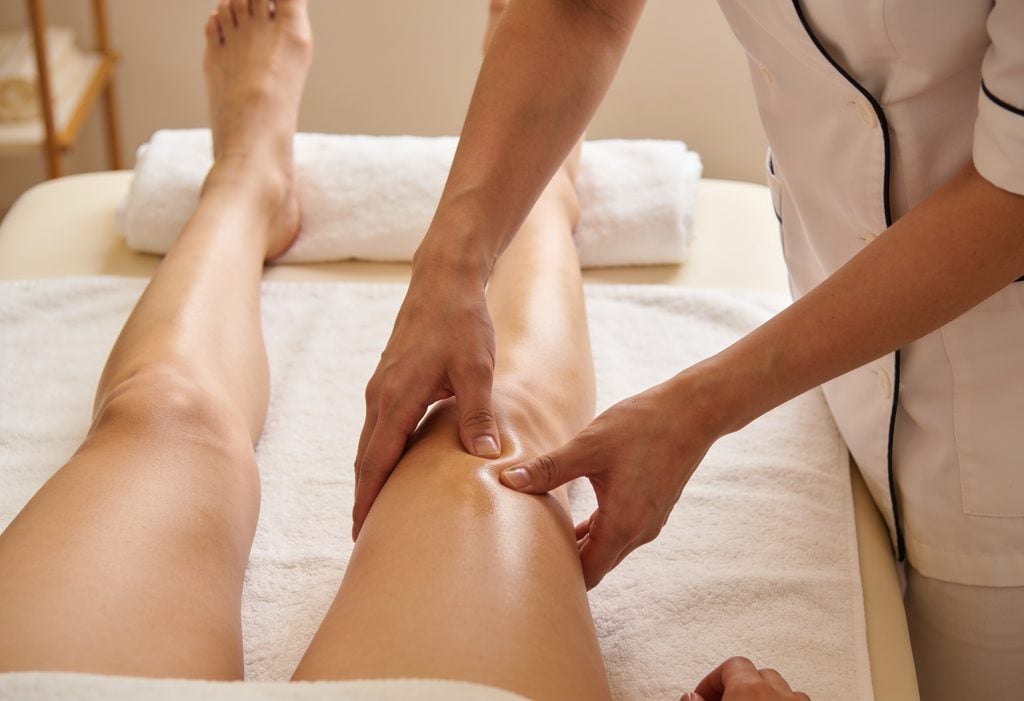
This guide walks you through what a lymphatic drainage massage actually is, its real benefits, the main techniques, how to try it at home, and where to book a trusted theræapist near you. And no, this isn’t reserved for people recovering from surgery. It’s for you too.
What Is a Lymphatic Drainage Massage?
Put simply, a lymphatic drainage massage is a gentle, light-pressure technique designed to encourage lymph fluid to move toward your lymph nodes, where it can be filtered and processed. No deep kneading here: it’s all about soft, rhythmic movements that work with your body rather than against it.
Your Lymphatic System: A Quick Overview
Think of your lymphatic system as your body’s drainage network. It carries fluid and white blood cells around the body, helping to fight infection and support the removal of waste products. Unlike your blood, which gets pumped by the heart, lymph fluid relies on muscle movement (and a bit of outside help) to keep flowing smoothly. When that flow slows down, fluid can build up, leaving you feeling puffy or heavy.
How it works?
A therapist uses light, repetitive strokes, often described as a gentle milking or syphoning motion, to guide fluid toward the lymph nodes. The pressure stays deliberately soft: push too hard and you can actually compress the delicate lymph vessels, which defeats the purpose. The goal is simply to clear any sluggish or blocked areas so fluid moves on its way naturally. It’s calming, rhythmic, and genuinely relaxing to experience.
What Is a Lymphatic Drainage Massage Good For? Key Benefits
So, does it actually work? Honestly, yes, within reason. A lymphatic drainage massage won’t work miracles, but it’s genuinely helpful for easing swelling and supporting your body when lymph fluid isn’t moving the way it should. It’s also become a popular cosmetic procedure, especially for facial puffiness, since it can leave skin looking refreshed and a bit more glowing.
Plenty of people book a session simply because they feel puffy after a long flight, a salty weekend, or too many hours sat at a desk.
Here’s what it’s generally good for:
- Reduces fluid retention, helping your body shift the excess fluid that causes that heavy, bloated feeling.
- Eases swelling, particularly around the face, legs or arms.
- Supports circulation, keeping fluid and waste moving as they should.
- Refreshes the skin, often leaving it brighter and less puffy-looking.
Pro tip: drink extra water after your session. It helps your body flush out what’s been released and makes the results last that bit longer.
Lymphatic Drainage Massage Techniques to Know
Not all lymphatic drainage sessions look the same. Depending on your goals and how hands-on you’d like things to be, there are a few techniques worth knowing before you book.
Manual and Brazilian Lymphatic Drainage
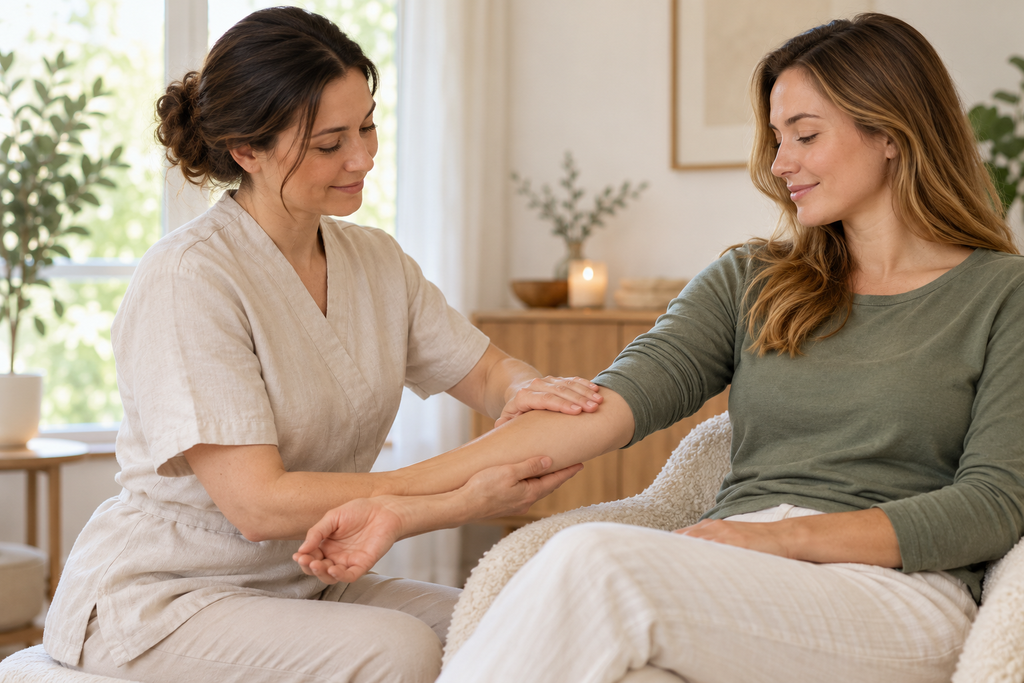
Manual lymphatic drainage (often shortened to MLD) is the classic, hands-on approach. A trained therapist uses gentle, rhythmic massage movements with light pressure to guide fluid toward your lymph nodes. Brazilian lymphatic drainage is a popular variation that layers in firmer contouring strokes,often chosen for reducing puffiness and smoothing the skin’s appearance. After surgery, only book a session once your surgeon has given you the go-ahead.
Massage With a Machine or Dry Brush
If you’d rather skip the hands-on element, machine-assisted sessions use gentle vacuum or compression devices to mimic those same drainage movements, handy for larger areas or longer sessions. Many people also try dry brushing at home: a soft-bristled brush swept in light strokes towards the heart. It’s simple, inexpensive and a nice way to support your lymph flow between professional sessions.
| Technique | What it involves | Best for |
|---|---|---|
| Manual | Hands-on, light-pressure strokes by a therapist | General drainage and relaxation |
| Brazilian | Firmer contouring strokes | Puffiness and body contouring |
| Machine | Vacuum or compression device | Larger areas, hands-free sessions |
| Dry brush | Light brushing at home | Everyday, low-cost maintenance |
How to Do a Lymphatic Drainage Massage at Home
Fancy giving your lymphatic system a helping hand between sessions? You don’t need special training, just a few minutes, clean hands and a gentle touch. Here’s a simple routine you can try at home.
Self Massage for the Face and Neck

- Start at the base of your neck, placing your middle fingers just above the collarbone.
- Sweep gently outward and downward, repeating five times.
- Move up to your jawline, sweeping down toward the neck with light pressure.
- Finish under the eyes and cheeks, always draining downward toward the collarbone.
Lymphatic Drainage for the Legs and Stomach
- Begin at the ankles, using long, gentle upward strokes toward the knees.
- Continue from knee to thigh, keeping the pressure soft rather than firm.
- On the abdomen, use flat hands to make slow, soft circular moves clockwise.
- Repeat the sequence two or three times, breathing steadily throughout.
Simple Drainage Exercises and Breathing
Simple lymphatic drainage relies as much on breath as on hands. Try this:
- Sit comfortably and take a slow, deep breath in through your nose.
- Hold briefly, then release slowly through your mouth.
- Repeat five to ten times, letting your belly rise and fall. This gentle pumping action helps encourage lymph flow naturally.
Wecasa pro tip : keep the pressure feather-light (think stroking, not kneading), never rush the movements, and aim for around 20 minutes from start to finish for the best results.
If you’d rather leave it to trained hands, you can book a qualified therapist who’ll tailor the technique to your needs.
Is Lymphatic Drainage Massage Safe? Dangers and Side Effects
Lymphatic drainage massage is gentle by nature, and mild reactions such as fatigue or needing the loo more often are normal as your body processes moving fluids. However, it is not suitable for everyone. Avoid it if you have an active infection, a suspected blood clot or deep vein thrombosis (DVT), congestive heart failure, or kidney problems. If you have any underlying health conditions, always consult your GP before booking a session.
Medical Conditions and Lymphoedema
If you have lymphoedema, the usual treatment is decongestive lymphatic therapy: manual lymphatic drainage combined with compression bandages or garments, skin care and exercise, led by a lymphoedema specialist.
How to Tell if You Need Lymphatic Drainage
Not sure if this is for you? Here’s a quick checklist to help you decide. Signs you may benefit from lymphatic drainage:
- Persistent puffiness in the face, legs or hands.
- A heavy, sluggish feeling in your limbs.
- Swelling after a long-haul flight.
- Swelling after medical treatment (always check with your GP or specialist first)
- Skin that feels tight or looks visibly swollen.
Where to Get a Lymphatic Drainage Near You
In London and Other UK Cities
Good news: you won’t have to travel far. Lymphatic drainage sessions are widely available across London and other major UK cities, usually through spas, clinics or independent therapists. When comparing options, check reviews carefully and look at what’s included in the price. A proper session should cover the areas of the body that need it, whether that’s your face, legs, or a specific upper arm after treatment. Prices vary depending on whether it’s a general wellness massage or a medical massage supervised by a specialist.
Booking a Massage Therapist at Home
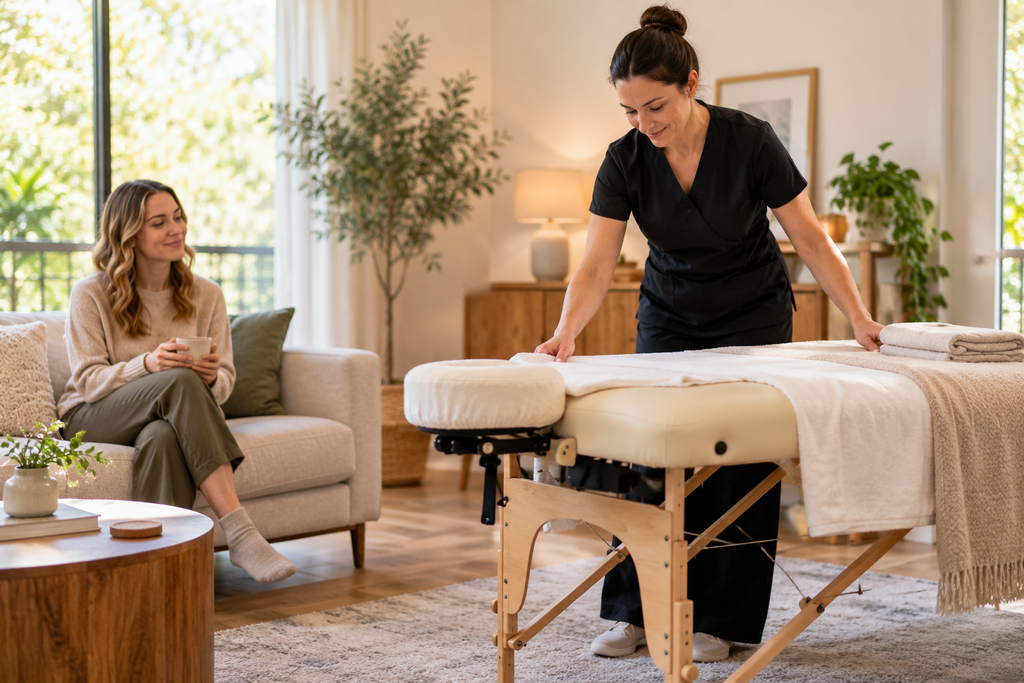
If you’d rather skip the commute altogether, that’s where we come in. With Wecasa, you can book a massage therapist who comes directly to your home, offering full-body or targeted sessions tailored to your needs. It is the easiest way to fit this gentle, restorative treatment into a busy week. If you’re based in London, our London lymphatic drainage guide covers local options.
FAQ
How Often Should You Get a Lymphatic Drainage Massage?
It really depends on why you’re having it done. If you’re working through a specific issue like swelling, a weekly lymphatic massage for a few sessions tends to work best, then you can space things out as needed. For general wellbeing and a bit of a refresh, once or twice a month is plenty for most people. Your therapist can help you figure out the right rhythm once they know your goals.
How Do I Drain My Lymphatic System Myself?
You don’t need special equipment, just a few gentle minutes each day. Use light, feather-soft strokes with your fingers, always working toward your lymph nodes (think collarbone, underarms and groin). Pair this with slow, deep breaths, since breathing helps stimulate lymph flow naturally. It’s simple, relaxing, and a lovely addition to your morning or evening routine.
Are There Training Courses for Lymphatic Drainage?
Yes. Therapists train in recognised MLD methods such as Vodder, Földi or Casley-Smith.
These courses cover anatomy, safe pressure levels and proper hand movements, and they’re a must for anyone offering professional sessions. If you’re simply curious about self-massage at home, you won’t need formal training, just a gentle touch and a little patience.