Summarise this article with:
 ChatGPT
 Mistral
 Claude
 Perplexity
 Grok
Tired of limescale taking over your kettle, taps and shower screen? Fed up with a cupboard full of single-job sprays that each tackle one mess and smell faintly chemical? There’s a simpler way, and it costs about £2 a tub.
Citric acid is a cheap, natural, odourless powerhouse that handles ten different jobs around your home. Here’s what it is, how it compares to vinegar, the ten uses worth knowing, the right ratio to mix, and where to buy it.
What Is Citric Acid Powder and Is It Good for Cleaning?
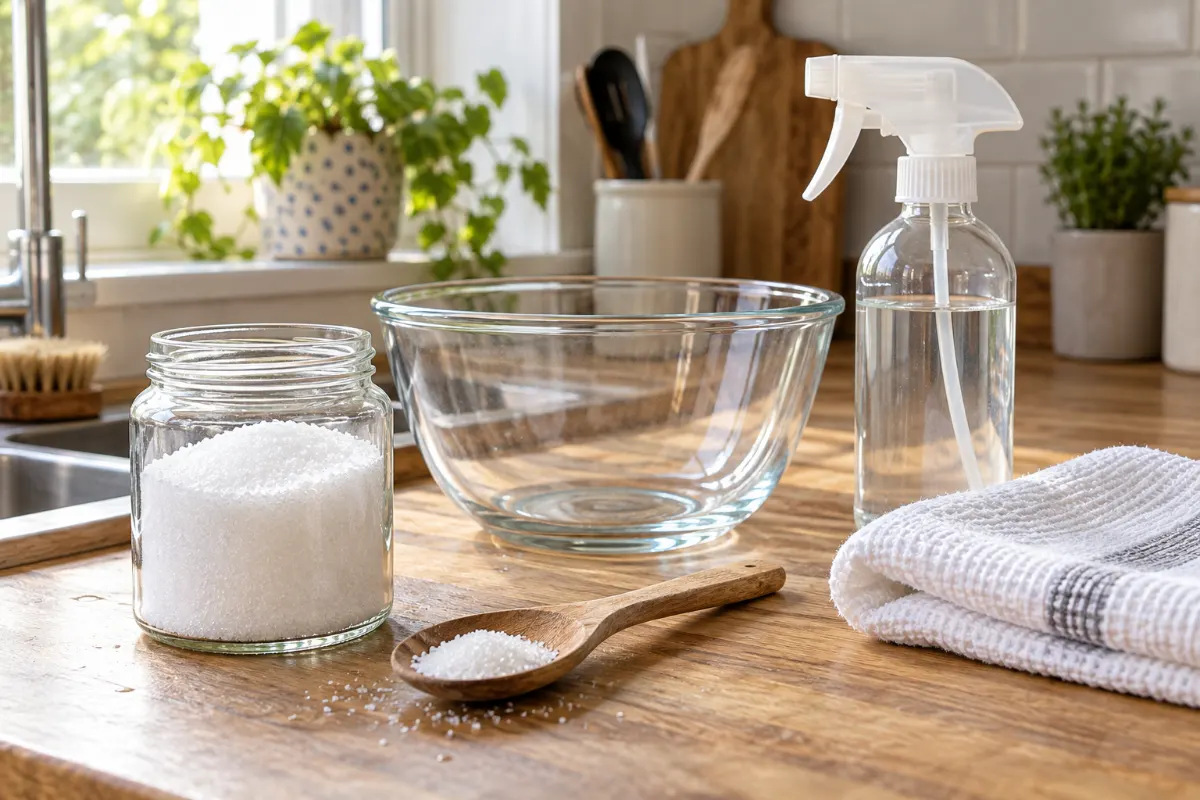
So what’s the deal with this stuff? Citric acid powder is a natural compound found in citrus fruits like lemons and limes, extracted and sold as a fine white crystalline powder. You’ll usually find it labelled food grade, or E330, which is exactly what it sounds like: the same acid that gives fizzy drinks and sour sweets their tang.
Is citric acid good for cleaning, though? Short answer: yes, really good. Because it is acidic, it breaks down stubborn mineral build-up like limescale and hard water stains with ease, making it a reliable natural choice for keeping kitchen appliances and bathroom surfaces clean.
Here’s the reassuring bit: because it’s food safe, people happily sprinkle it into kettles, dishwashers and worktop sprays without a second thought. No gloves and goggles drama required for most jobs.
Citric Acid vs Vinegar: Which Works Better for Cleaning?
Both are kitchen cupboard heroes, both are brilliant at cutting through grime, so what’s the actual difference? The main one is smell. White vinegar does the job, but it leaves that distinctive smell lingering in the air, somewhere between a salad dressing and a chip shop. Citric acid, on the other hand, is completely odourless.
Citric acid is actually the stronger of the two acids, which is one reason many people find it works better on limescale, especially in tight spaces like taps and shower screens where a lingering pong isn’t welcome.
Here’s how they stack up side by side:
| Citric acid | White vinegar | |
|---|---|---|
| Smell | None | Strong, vinegary |
| Strength | Moderate | Slightly stronger |
| Best for | Limescale, mineral build-up | General grime, glass |
| Cost | Low (from £2 a tub) | Low |
| Surfaces to avoid | Natural stone, waxed wood | Natural stone, waxed wood |
Citric Acid in the Bathroom: Toilets, Showers and Limescale
Bathrooms take the brunt of hard water, so let’s start where limescale loves to hide.

1. Freshen Your Toilet Bowl
Can you clean your toilet bowl with citric acid? Absolutely. Sprinkle a few tablespoons under the rim and across the water line, leave it overnight to work its magic, then give it a quick brush in the morning. Stains and limescale lift away with barely any scrubbing.
2. Banish Limescale from Showers and Shower Screens
Dissolve the powder in warm water, then spray or wipe it onto glass doors and tiles. The acid gets to work dissolving limescale almost immediately. Rinse thoroughly and buff dry with a cloth for a streak-free shine on your shower screen.
3. Shine Up Taps and Lift Soap Scum
Cloudy taps and that filmy soap scum around the basin don’t stand a chance either. Wipe the solution over the affected areas, let it sit briefly, then rinse clean for taps that actually sparkle again.
Pro Tip: For thick, years-old build-up, give the solution extra dwell time (up to an hour) before scrubbing. Patience does most of the hard work for you.
Citric Acid in the Kitchen: Kettles, Dishwashers and Appliances
Your kitchen appliances work hard, and limescale builds up fast if you’re in a hard water area. The good news? The same tub of powder sorts out your kettle, your dishwasher and even your coffee machine.
4. Descale Your Kettle
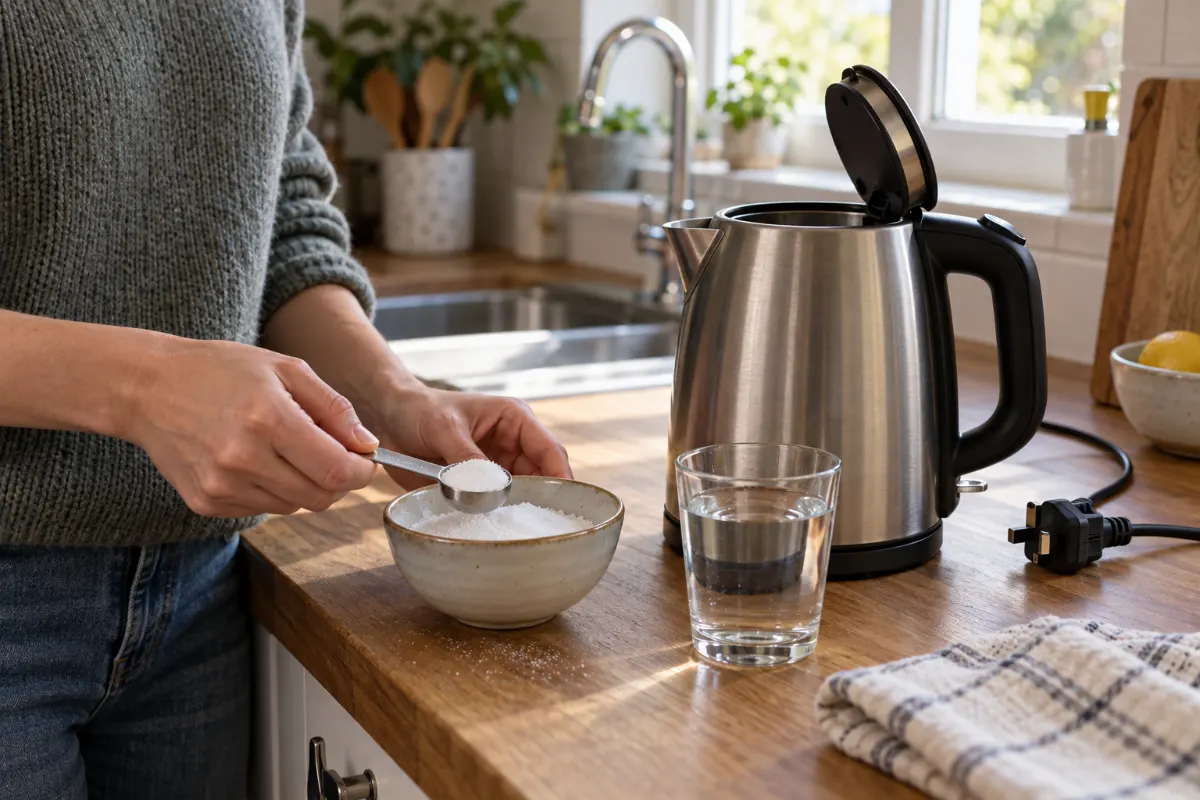
Fill the kettle three-quarters full with water, add two tablespoons of citric acid, and bring it to the boil. Switch it off and leave it for 15 to 20 minutes so the solution can work through the calcium deposits. Give it a good rinse (twice, if you can) and you’re left with a kettle that boils faster and tastes cleaner too.
5. Deep Clean Your Dishwasher and Washing Machine
Run a hot, empty cycle with a scoop of citric acid powder instead of your usual detergent. It clears calcium deposits, lingering grease and that musty smell that builds up over time in both machines. Check your machine’s manual first, as some manufacturers recommend their own descaler.
6. Refresh Your Coffee or Espresso Machine
Dissolve citric acid in water and run it through a normal brewing cycle in your coffee machine. This lifts mineral build-up from the internal pipework, keeping your espresso tasting the way it should.
Pro Tip: Always follow up with a cycle of fresh water alone, this rinses away any leftover acid and taste.
More Household Uses for Citric Acid Around the Home
Rust, humidifiers and worktop grime are no match for citric acid either. These last four uses round out your cleaning kit nicely.
7. Remove Rust from Tools and Metal
Got rusty spanners, bolts or garden tools lurking in the shed? Soak them in a strong citric acid solution (around 3 to 4 tablespoons per litre of warm water) for a few hours, or overnight for stubborn rust. Scrub gently, rinse and dry thoroughly. It’s the easy way to bring old metal back to life without wire wool or harsh chemicals.
8. Clean Your Humidifier
Humidifiers build up mineral scale fast, especially in hard water areas. Run a diluted solution through the tank, let it sit for 20 to 30 minutes, then rinse well before switching the device back on. This keeps the mist clean and stops that chalky residue clogging the works.
9. Make a Citric Acid Cleaning Spray
A citric acid spray is one of the handiest things you can keep under the sink. Dissolve a couple of teaspoons in a reusable spray bottle filled with warm water and you’ve got an all-purpose cleaner ready for worktops, hobs and sinks. It’s handy for water marks and light limescale on sinks and taps. Avoid using it on natural stone worktops, leaving surfaces properly clean, not just wiped.
If household cleaning keeps slipping down your to-do list, you don’t have to tackle it all yourself. Wecasa’s at-home cleaners come to you, from £17.90/hr, so you can hand over the chores and get your time back.
How to Make and Use a Citric Acid Cleaning Solution: The Right Ratio
Making a citric acid solution couldn’t be simpler. Just dissolve the powder in warm water and stir until it runs clear, no lumps, no fuss. Warm water helps it dissolve faster, so give it a minute before you start scrubbing.
The ratio depends on the job. Light, everyday cleaning needs only a couple of teaspoons of citric acid, while tougher jobs like hard water stains or thick limescale call for a stronger mix. The rule of thumb: more powder means more cleaning power, so don’t be shy with stubborn build-up.
Here’s a quick-reference table to keep handy:
A stronger mix (3 to 4 tablespoons per litre of warm water)
Pro Tip: Always use enough citric acid for the job rather than watering it down too much. A weak mix just means more scrubbing later.
What Not to Clean with Citric Acid
As brilliant as it is, citric acid isn’t a one-size-fits-all cleaner. Steer clear of natural stone like marble, granite and limestone: the acid reacts with the minerals and can etch dull, permanent marks into the surface. The same goes for sealed or waxed wood, and anything with a delicate coating, such as some non-stick pans or painted finishes, which can lose their shine or colour on contact.
Always do a quick patch test on an inconspicuous spot first, and pop on some gloves if you’re mixing a stronger solution.
For genuinely stubborn, baked-on grime, don’t expect citric acid to work miracles alone. A bit of elbow grease alongside citric acid, letting the solution sit, then scrubbing with a sponge or old toothbrush, will finish the job nicely.
Where to Buy the Best Citric Acid Powder for Cleaning
Good news: citric acid is easy to find and won’t break the bank. Head to UK supermarkets like Asda, Tesco or Sainsbury’s and check the baking aisle (it’s often sold alongside jam-making supplies) or the cleaning section. B&Q stocks it too, and online retailers offer the widest choice of sizes.
For the best value, opt for food grade citric acid powder in larger tubs or bulk bags rather than tiny sachets, especially if you plan to tackle multiple appliances around the home.
Bonus: that same powder works brilliantly for a bath bomb, so a bigger bag never goes to waste.
Before you buy, here’s what to look out for:
- Food grade: safe for kitchen and bathroom use.
- Anhydrous: the standard powder form, no added water.
- Resealable tub: keeps it dry between uses.
- UK stockist: ensures quicker delivery and easier returns.
FAQ
Does citric acid kill germs and bacteria?
Citric acid is not an approved disinfectant, so it will not replace targeted antibacterial products for heavy-duty germ-killing jobs. Instead, its strength lies in dissolving mineral build-up, cutting through grease around the kitchen sink, and lifting limescale and water marks across hard surfaces.
How should I store citric acid powder?
Keep it somewhere dry and in a sealed, airtight container, a resealable tub or jar does the job nicely. Moisture is the enemy here, as it causes the powder to clump together and makes it harder to dissolve. Stored properly, a tub will last you a long time, so there’s no rush to use it all up.
Is citric acid cheaper than branded descalers?
Yes, by quite a margin. A tub of citric acid typically costs around £2 and handles dozens of jobs, while single-use branded descalers often cost more for just one or two uses. It’s one of the easiest swaps for anyone trying to cut down on cleaning cupboard clutter and spending.