Summarise this article with:
 ChatGPT
 Mistral
 Claude
 Perplexity
 Grok
Grok
Using a washing machine should not feel like rocket science. Yet for many households, the washing machine remains one of the most misunderstood appliances in the home. Wrong washing machine settings, overloaded cottons, too much liquid detergent, forgotten fabric softener — and suddenly clothes come out dull, stiff or still damp.
Understanding how to use a washing machine, how to select the right cycle, and when to use a quick wash instead of a longer programme makes a real difference. Not only will your clothes last longer, but you will also reduce energy use, avoid damage to delicates, and prevent the need for constant rewashing.
Let us break it down clearly — no fluff, just practical advice from the Wecasa team.
Washing machine guide
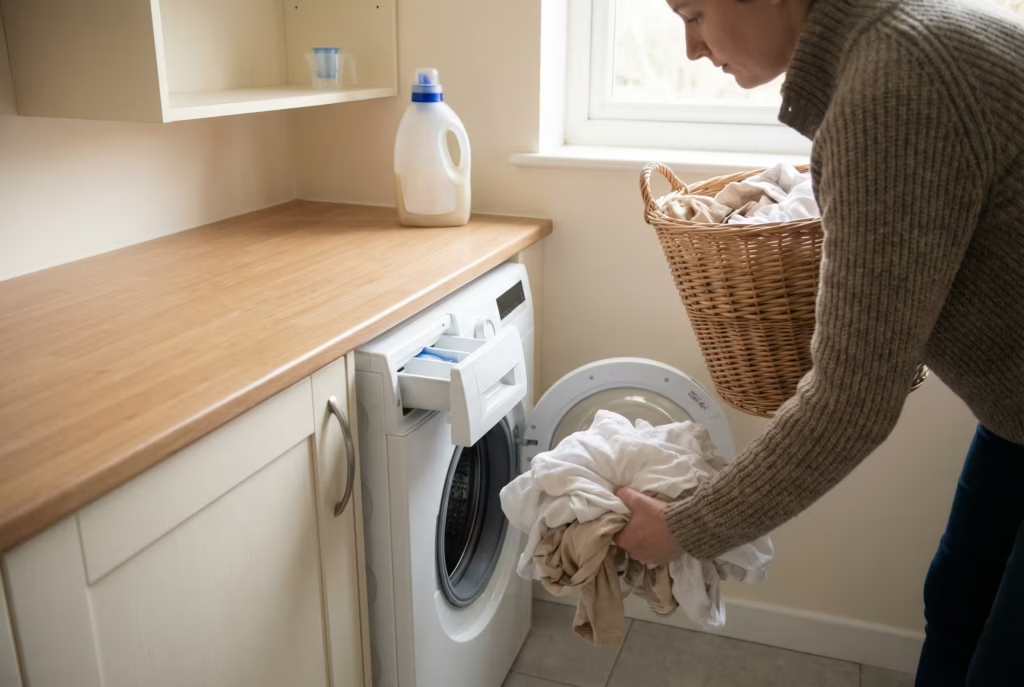
Every modern washing machine follows the same basic structure: load, detergent drawer, programme dial, temperature control, spin speed and start button. Once you understand the logic behind each setting, operating it becomes straightforward.
A standard wash includes:
- Filling with water
- Heating (if required)
- Agitation during the selected cycle
- Rinsing
- Spinning
The key is matching the cycle to the fabric type. Heavy cottons need a stronger wash than delicates, while synthetic blends often require moderate temperatures.
If you are unsure about fabric resistance, check garment labels. Washing at a higher temperature than recommended can shrink cottons, weaken fibres and damage delicate clothing.
How do you use a washing machine for beginners?
If it is your first time using a washing machine, keep it simple and structured.
Start by sorting your laundry:
- Separate cottons from delicates
- Divide light and dark colours
- Keep heavily soiled items apart from lightly worn clothes
Open the door and load the drum loosely. Clothes must move freely during the cycle. Overloading prevents proper rinsing and leaves detergent residue.
Add liquid detergent into the main wash compartment of the drawer. If using fabric softener, pour it into the smaller compartment marked with a flower symbol.
Select a standard 40°C cycle for everyday cottons. For fragile fabrics, switch to a dedicated delicates programme. Press start.
That is it. The washing machine works automatically once programmed correctly.
How do you use a washing machine drawer?
The drawer often confuses users, yet it is simple once decoded. Most UK models have three compartments:
| Compartment | Purpose | What goes in it? |
|---|---|---|
| I | Pre-wash | Liquid detergent (only if pre-wash selected) |
| II | Main wash | Liquid detergent for the chosen cycle |
| 🌸 | Conditioner | Fabric softener |
For daily loads, you only need compartment II. Using too much liquid detergent creates excess foam, which interferes with how the washing machine works and may require extra rinsing.
Only add fabric softener if needed. Towels and sportswear do not benefit from it, as it reduces absorbency.
If residue builds up, learn how to clean washing machine drawer properly to avoid odours and blockages.
Should you wash clothes at 40 or 60 degrees?
Temperature matters more than many people realise.
- 40°C suits most cottons, mixed fabrics and everyday clothing.
- 60°C is better for bedding, towels and heavily soiled cottons.
- Lower temperatures protect delicates and reduce energy use.
- A higher temperature helps eliminate bacteria but may shrink fabrics.
Frequent high heat washes can damage fibres and fade colours. Use 60°C strategically rather than automatically.
If your appliance smells after repeated low-temperature loads, you may need to clean your washing machine internally using a maintenance wash. You can read more about that in our guide on how to clean washing machine to prevent bacteria build-up.
Washing machine settings explained
Modern appliances include multiple washing machine settings, but most households regularly use only a few:
- Cotton cycle
- Eco cycle
- Synthetic cycle
- Delicates
- Quick wash
- Spin only
The cotton cycle uses stronger agitation and often a higher temperature. The delicates cycle reduces drum movement to protect delicate clothing. A quick wash shortens washing time but is only effective for lightly soiled garments.
Avoid defaulting to eco mode for heavily soiled cottons, as the shorter agitation phase may not clean properly.
Understanding your washing machine settings ensures your washing machine works efficiently without repeated washes.
Rinse in washing machine
The rinse stage removes detergent and remaining dirt. If clothes feel stiff or sticky afterwards, the problem is usually:
- Too much liquid detergent
- Overloaded drum
- Insufficient rinse phase
You can select an additional rinse if needed. This is useful for sensitive skin or when washing bulky cottons like towels.
If you notice a persistent odour, you may need to clean your smelly washer before continuing regular loads.
Why are my clothes still wet after washing?
When clothes come out dripping, the issue is usually linked to spin speed or imbalance.
Common causes:
- Drum overloaded
- Uneven distribution of heavy cottons
- Spin speed too low
- Blocked filter
Select a higher spin speed for thick cottons. However, reduce spin when washing delicates, as high speeds can stretch fibres.
If the issue persists, check whether your appliance drains properly. A malfunctioning drain pump prevents the final spin from activating, making it seem like the washing machine works incorrectly.
How do you use a washing machine?
The short version? Load correctly, dose detergent carefully, select the right cycle, and match temperature to fabric.
The professional version? Think fabric-first.
Use:
- Standard cotton cycle for everyday cotons
- Delicates setting for silk or lace
- Quick wash for freshening lightly worn clothes
- Higher spin for thick towels
- Lower spin for delicate clothing
Choose liquid detergent for better dissolution at lower temperatures. Add fabric softener sparingly.
If the appliance develops odours, look into how to get rid of smell in washing machine before continuing daily washes.
How do you operate a washing machine?
Operating a washing machine efficiently means understanding what happens inside.
The washing machine works in stages:
- Water intake
- Heating (if selected)
- Agitation during the wash cycle
- Rinse
- Spin
Each stage depends on correct washing machine settings. Selecting the wrong programme for heavy cottons or fragile delicates leads to poor results.
Keep the drum no more than three-quarters full. This allows proper movement during the cycle and ensures detergent distributes evenly.
Washing Machine Works: understanding the cycle logic
A washing cycle is more than just spinning. It combines temperature, water level, agitation intensity and spin speed.
Here is a simplified comparison:
| Programme | Best for | Temperature | Spin speed |
|---|---|---|---|
| Cotton cycle | Towels, bedding, durable cotton clothes | 40–60°C | High |
| Delicates | Silk, lace, delicate clothing | 20–30°C | Low |
| Quick wash | Lightly worn clothes | 20–40°C | Medium |
Selecting the right cycle protects fibres and ensures the washing machine works optimally.
Cottons, delicates and higher temperature: what to remember
Not all fabrics respond equally to heat and agitation.
Cottons tolerate stronger mechanical action and a higher temperature, making them suitable for longer cycle settings. However, repeated 60°C washes may cause gradual fading.
Delicates require reduced drum movement and low heat. Even a single incorrect higher temperature wash can permanently damage delicate clothing.
When in doubt, choose caution over power.
Liquid detergent, fabric softener and laundry bags
Choosing the right products is just as important as selecting the correct washing machine settings.
Liquid detergent dissolves faster than powder, especially in short quick wash programmes. It also reduces residue inside the drum.
Use fabric softener sparingly. Excess product coats fibres and affects absorbency in cottons.
For fragile garments, use laundry bags. They protect delicates during agitation and prevent snagging.
If residue accumulates, consider learning how do you clean a washer to maintain performance.
FAQ – Using a Washing Machine
How do you use a washing machine for beginners?
+Start by sorting laundry, then load the drum loosely without overfilling. Add liquid detergent, choose the right cycle, and press start. As a beginner, focus on separating cottons from delicates and avoid packing clothes too tightly.
How do you use a washing machine drawer?
+Use compartment II for liquid detergent during the main wash cycle. Add fabric softener into the smaller conditioner section (usually marked with a flower symbol). Clean the drawer regularly to avoid detergent build-up and mould.
Should you wash clothes at 40 or 60 degrees?
+40°C is suitable for most everyday cotton clothing. Choose 60°C for towels and bedding when you want a deeper clean. For delicate fabrics, stay below 30°C to reduce shrinking and damage.
Why are my clothes still wet after washing?
+The most common reasons are overloading the drum, using a low spin setting, or creating an imbalance with heavy cotton items. Try reducing the load, increasing spin speed, and checking the drainage system if the problem continues.
How do you operate a washing machine?
+Load the drum properly, select the right washing machine settings, and match the temperature to the fabric type. Let the full cycle finish without interruption. Using a washing machine properly is mainly about choosing the correct cycle and temperature logically for each load.