Résumer cet article avec :
 ChatGPT
 Mistral
 Claude
 Perplexity
 Grok
Grok
Looking for a simple, natural, and budget-friendly way to keep your floors sparkling clean? Vinegar might just be your new best friend. Loved for its powerful cleaning properties, this everyday ingredient can be used on many floor types when mixed with the right ratio of water. But before you grab the mop and bottle, it’s important to know how to use vinegar safely and effectively.
In this guide, we’ll cover the benefits of vinegar, the right vinegar-to-water ratios for different floors, and expert tips to avoid mistakes. You’ll also learn when not to use vinegar, so you can keep your floors looking their very best.

Is Vinegar Good for Cleaning Floors? The Natural Solution
Vinegar is a fantastic natural cleaner, thanks to its acidity. The acetic acid in vinegar breaks down dirt, grease, and mineral deposits, leaving surfaces fresh and streak-free. Unlike harsh chemical cleaners, it’s gentle on your budget and kind to the environment.
Here are a few reasons to love vinegar for cleaning floors:
- Effective and natural: It cuts through grime without leaving toxic residues.
- Eco-friendly: Vinegar is biodegradable and safe for your home’s ecosystem.
- Budget-friendly: A bottle of white vinegar costs far less than branded cleaners.
- Safe for families and pets: When diluted correctly, it’s a non-toxic choice for everyday cleaning.
It’s no surprise many professional cleaners recommend vinegar as a go-to solution for a healthy, eco-conscious home.
The Best Ways Used in Cleaning Wood Floorboards with Vinegar: How to effectively clean wooden floorboards
Now, we know what you’re thinking – “Can I really use vinegar to clean my hardwood floors?” The answer is yes, but (and it’s a important but), you need to do it properly!
For hardwood floors, always dilute white vinegar with warm water using a ratio of ½ cup vinegar to one gallon of water. Any stronger, and you might as well be throwing money out the window by damaging your floor’s finish. Always use a well-wrung mop – your wooden floors should be damp, not soaking wet.
Here’s what you absolutely must avoid:
- Using undiluted vinegar
- Letting water pool on the surface
- Scrubbing aggressively
- Using hot water
Pro tip: Always test your vinegar solution in an inconspicuous corner first. Better safe than sorry, right?
Ratio of White Vinegar to Water for Cleaning Different Floor Types
Let’s break down the perfect vinegar-to-water ratios for different flooring types:
Tile and Ceramic Floors: To clean tile floors and ceramic floors Mix 1 cup of white vinegar with 1 gallon of warm water. These tough cookies can handle a slightly stronger solution.
Laminate FlooringUse a gentler mix: ½ cup vinegar to 1 gallon of water. Remember, less is more when it comes to cleaning laminate floors!
Vinyl and LVT FlooringFollow the same ratio as laminate: ½ cup vinegar per gallon of water.
Linoleum Surfaces: When cleaning your linoleum floors, mix ½ cup vinegar with 1 gallon of warm water.
Never Use Vinegar On:
- Unsealed stone floors
- Marble
- Granite
- Waxed surfaces
Making Your Perfect Homemade Floor Cleaner
Ready to mix up your own cleaning solution? Here’s our fail-proof recipe:
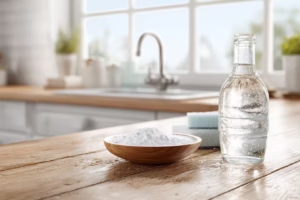
- Basic vinegar solution: Mix 1 cup of white vinegar with 4 litres of warm water. This is your go-to formula for most floors.
- Add essential oils: A few drops of lavender, lemon, or tea tree oil can add a fresh scent and antibacterial boost.
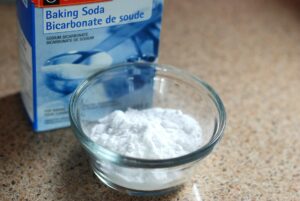
- Combine with other natural cleaners: For extra power, mix vinegar with a spoonful of baking soda—but not for wood or laminate, as it may leave a residue.
- Storage tips: Store your solution in a spray bottle for up to two weeks. Shake before use to keep ingredients well mixed.
Want to kick it up a notch? Add a tiny squirt of mild dish soap for extra grease-cutting power. Just remember to store your mixture in a clearly labeled spray bottle or bucket, and use it within a few weeks for best results.
Why Is My Floor Sticky After Mopping with Vinegar?
If your floor feels sticky after cleaning, don’t worry—it’s a common mistake. Here are a few reasons why it happens:
- Too much vinegar: Using vinegar undiluted or with too little water can leave a film.
- Excess water: A dripping mop can spread dirt instead of removing it.
- Improper rinsing: Some floor types may need a quick wipe with clean water afterwards.
For best results, mop with small, controlled strokes and rinse your mop often. Always let floors air dry quickly by opening windows or turning on a fan. This prevents streaks and ensures a smooth, fresh finish.
Can I use apple cider vinegar to clean my floors?
Yes, you can use apple cider vinegar to clean your floors, but why complicate things? While it has the same cleaning power as white vinegar, it’s usually pricier and can leave a slight brown tint on light surfaces. If you’ve got some lying around, mix it with warm water (same ratios as white vinegar), but we’d recommend sticking to white vinegar for your regular cleaning routine. Keep it simple, keep it effective!
Vinegar is a simple yet powerful way to clean floors naturally. With the right dilution and a few careful tips, it can keep wood, tile, vinyl, and linoleum surfaces fresh and hygienic. Just remember: never use vinegar on natural stone, and always wring your mop well to avoid excess water.
Looking for a deeper clean or just want to save time? Wecasa’s professional house cleaners are here to help. Whether it’s a weekly tidy-up or a one-off deep clean, our trusted experts know exactly how to care for your floors the right way.