Summarise this article with:
Spotted some uninvited black guests on your bathroom walls? We’ve all been there! Mould loves damp, dark corners, and it doesn’t take long to appear—especially in those steamy bathrooms or behind furniture. When black mould makes an unwelcome appearance, your first instinct might be to grab the bleach. But is it really an effective solution?
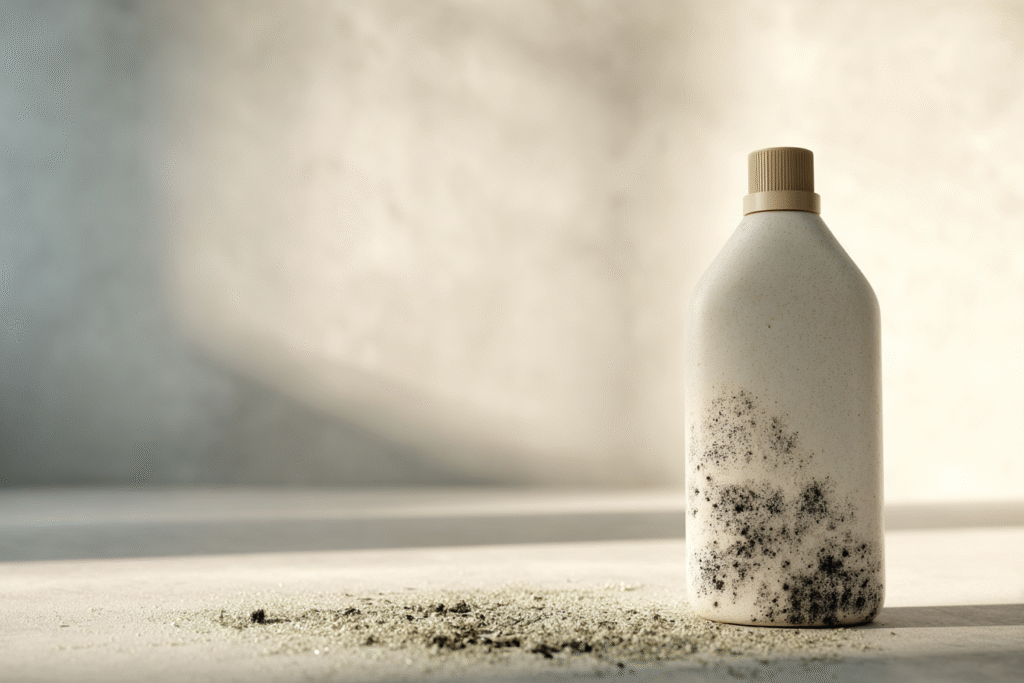
While bleach can kill mould on non-porous surfaces like tiles and bathtubs, the truth is a bit more complicated. On porous materials like drywall or wood, bleach often just bleaches the colour without killing the roots. In this guide, we’ll bust some myths about mould removal and share safer alternatives that actually work. Let’s get your home back to clean, fresh, and mould-free!
Does Bleach Really Remove Mould—or Just Hide It?
Wondering if bleach kills mould? The short answer: yes, but with a significant catch. When bleach meets mould, its chlorine component attacks the fungus’s cellular structure, breaking down proteins and enzymes on contact. That’s why those pesky black mould stains seem to magically disappear.
But here’s the truth—bleach is more like a fair-weather friend than a reliable ally. It’s brilliant on non-porous surfaces like tiles and bathtubs, where it can be an effective solution for visible mold (US spelling intentional). On porous materials like drywall or wood, however, bleach only deals with surface symptoms while the root problem continues growing underneath.
The science is clear: bleach might make mould temporarily invisible, but it doesn’t always eliminate the underlying issue. Sometimes it’s just giving your unwelcome fungal guests a timeout rather than an eviction notice.
Bleach vs Mould on Walls: Where It Shines—and Where It Fails
| Surface Type | Bleach Result |
|---|---|
| Tiles | Highly effective — kills surface mould completely |
| Glass | Excellent — removes visible black mould easily |
| Grout | Good on surface, but may not penetrate deeply |
| Bathtubs | Effective — non-porous surface allows full contact |
| Painted walls | Poor — only treats surface, not roots |
| Wood | Ineffective — can actually make problem worse |
The problem with porous materials? Mould sends tiny root-like structures called hyphae deep inside. When you apply a solution of one part bleach to four parts water and wipe with a damp cloth, you might remove surface stains, but those roots remain alive beneath. It’s like trimming a weed while leaving the roots—black mould will return with a vengeance because you haven’t eliminated what’s growing inside the material itself.
Why Bleach Can’t Kill Black Mould for Good
Bleach might seem like a quick fix, but it’s not your best mate for tackling black mould long-term. The chlorine in bleach only disrupts the surface mould while leaving the deeper problem untouched, especially on porous surfaces like walls and wood.
When it comes to using bleach against mould, consider these important drawbacks:
-
- Health risks – Bleach fumes can trigger respiratory issues and worsen conditions such as asthma, particularly in poorly ventilated spaces where mould typically thrives
-
- Environmental impact – Harsh chemicals in bleach don’t simply disappear after use but can enter waterways and create toxic compounds harmful to aquatic life
-
- Moisture rebound – After the chlorine evaporates, you’re left with water—exactly what mould spores love! This creates the perfect breeding ground for stronger regrowth
Natural Mould Removal: Vinegar, Baking Soda & Tea-Tree Oil
Good news! There are brilliant natural mould removal alternatives that pack a punch against those uninvited fungal guests. Let’s explore these kitchen cupboard heroes that might just surprise you.
White Vinegar – The Unsung Hero
-
- Mix one part water with one part white vinegar in a spray bottle
-
- Spray directly onto affected areas and let sit for at least an hour
-
- Scrub with a damp kitchen sponge and wipe clean
White vinegar treats more than 80% of mould species, including black mould. Unlike bleach, it penetrates porous surfaces to kill mould at the roots. The acetic acid creates an environment that’s hostile to mould growth without leaving harmful residues.
Baking Soda – Your Kitchen’s Secret Weapon
-
- Create a paste with three parts baking soda to one part water
-
- Apply to mouldy area and let sit for 10 minutes
-
- Scrub with a stiff brush and rinse with clean water
Baking soda creates an alkaline environment that black mould simply can’t tolerate. It’s brilliant at absorbing moisture, which helps prevent mould from returning. The bubbling action when combined with vinegar shows it’s working hard to eliminate those mould spores.
Tea Tree Oil – Nature’s Antifungal Powerhouse
-
- Mix one teaspoon of tea tree oil with one cup of water
-
- Spray onto affected areas and don’t rinse off
-
- Wipe with clean kitchen sponge for smaller areas
Tea tree oil is incredibly effective against stubborn black mould with its natural antifungal properties. A small amount goes a long way, making it economical in the long run. The oil continues working to prevent mould from returning.
| Remedy | Pros | Best surfaces |
|---|---|---|
| Vinegar | Penetrates deeply, treats 80% of mould species | Porous surfaces, walls, wood |
| Baking Soda | Absorbs moisture, prevents regrowth | Bathroom tiles, grout, sinks |
| Tea Tree Oil | Long-lasting protection, antifungal | Shower corners, window seals |
Cleaning Mould from Walls: Step-by-Step Game Plan
-
- Gear up for safety: Always wear protective gloves, safety goggles, and a face mask to shield yourself from both mould spores and cleaning solutions.
- Ventilate properly: Open windows and use fans to keep air circulating—this prevents breathing in spores and speeds up drying afterwards.
- Prepare your solution: Mix your chosen cleaner (bleach for non-porous surfaces, vinegar for porous ones) and fill a spray bottle. Apply generously to affected areas and let it sit—patience is key!
- Scrub strategically: Use a stiff brush for tough black mould, working from outside towards the centre to prevent spreading spores. Wipe clean with a damp cloth afterwards.
- Dry thoroughly: Remove all moisture with a dry cloth—black mould loves dampness! For stubborn patches, especially on porous surfaces, you may need to repeat the process several times.
Stop Mould Before It Starts (Best Way to Remove Moisture)
Prevention is always better than cure when tackling mould. The key is controlling moisture and improving ventilation to make your home less appealing for those unwanted fungal guests.
-
- Open windows regularly – Especially after showering or cooking. Poor ventilation creates the perfect breeding ground for mould, so give moisture an escape route.
-
- Monitor humidity levels – Keep indoor humidity between 30-50%. Use a hygrometer to check levels, particularly in winter when condensation is more common.
-
- Invest in a dehumidifier – If humidity consistently exceeds 50%, a dehumidifier can be your best friend. It’s much cheaper than dealing with a full-blown infestation.
-
- Fix moisture sources immediately – Address leaky pipes, damaged roof tiles, or poor insulation quickly. Tackling the root cause saves hassle down the line.
FAQ – Quick Answers to Common Mould Questions
How do you get rid of mould on walls?
+For the most effective solution, use a fungicidal mould remover rather than bleach. Apply to affected areas, scrub with a stiff brush, and ensure walls dry completely. Anti-mould paint can provide long-term protection against black mould regrowth for up to five years.
What kills black mould fastest?
+Commercial products like Cillit Bang Black Mould Remover and Kingfisher Mould Cure are among the fastest mould killers, removing visible black mould within minutes. These specialized formulas have much more cleaning power than pure bleach for tackling affected areas quickly.
Is bleach or vinegar better for killing mould?
+Vinegar is generally the better method for most situations. While bleach only works on non-porous surfaces, vinegar penetrates deeply to kill mould at the roots on porous materials. Vinegar is also safer, non-toxic, and doesn’t leave harmful residues that could affect your health.
How fast does bleach kill mould?
+Bleach typically kills surface mould within 10–15 minutes on non-porous surfaces like tiles or glass. However, it works only superficially and won’t reach mould roots in porous materials. For complete elimination, specialized treatments provide more thorough results.
Why doesn’t bleach work on porous surfaces?
+Bleach fails on porous surfaces because it can’t penetrate deeply enough to reach mould roots. The chlorine component evaporates quickly while the remaining water actually feeds the mould underneath, creating a cycle where it regrows stronger from the moisture left behind.
Time to Call in the Cavalry?
+Sometimes mould problems get too big for DIY solutions. If you’re facing large areas (over three square metres) or have health sensitivities, it’s time for professional mould removal. Don’t risk it – call in the experts! Professional services have the right equipment and know-how to get rid of mould safely.