Summarise this article with:
 ChatGPT
 Mistral
 Claude
 Perplexity
 Grok
Grok
From a forgotten tub of yoghurt at the back to sticky jam rings on the shelves, the fridge is the hardest-working appliance in your kitchen — and often the most neglected. Learning how to clean a refrigerator properly isn’t just about appearances; it’s about food safety, energy efficiency and keeping nasty smells at bay. The good news is that the job is far less of a faff than it looks. With a bit of planning, a cloth or two and a simple homemade solution, you can have your fridge sparkling in under an hour. This guide walks you through exactly how to clean a refrigerator properly, step by step, including the bits most people forget — the door seals, the drip tray and the condenser coils.
Why cleaning your fridge regularly matters
A grubby fridge isn’t only unpleasant to look at. Spills and crumbs are a breeding ground for bacteria, and because the appliance is sealed and damp, those germs spread easily onto the food you eat. Consumer group testing in the UK has repeatedly found worrying levels of bacteria on fridge swabs — some of which are linked to food poisoning. Keeping surfaces that touch food as clean as possible is one of the simplest ways to protect your household.
There’s a practical bonus, too. A clean fridge with dust-free condenser coils runs more efficiently, which keeps your energy bills down and extends the life of the appliance. And if you’ve ever opened the door to an unpleasant whiff, regular cleaning is your first line of defence — though if odours linger, our guide on how to get rid of the smell in your fridgedigs into the stubborn culprits.
How often should you clean a fridge?
A quick wipe of spills should happen as you spot them, but a full deep clean deserves a slot in your routine. Most experts recommend a thorough clean two to four times a year, and ideally just before your big food shop, when the fridge is at its emptiest.
| Cleaning task | How often |
|---|---|
| Wipe up spills and crumbs | As they happen |
| Wipe door seals and handles | Every 1–2 weeks |
| Full deep clean (shelves, interior, drawers) | Every 3–6 months |
| Vacuum condenser coils | At least once a year |
| Clear the drip tray / drain hole | Twice a year, or if smells appear |
Best Way to Clean a Fridge
Before you dive in, a word on timing: pick a moment when the fridge is relatively empty — just before your weekly shop is ideal. That way, there’s less food to shuffle around and fewer chances of spills when you pull out the salad crispers and door racks.
The method works whether you’re tackling light grime buildup or a full deep clean. Start from the top shelves and work downwards, so any drips fall onto surfaces you haven’t cleaned yet. A clean sponge or microfibre cloth does the job well — swap it out if it picks up too much residue, rather than spreading build-up from one surface to another.
Work in sections if the fridge is large. Smaller compartments, like the door pockets, can be done in one go.
What you need to clean a refrigerator properly
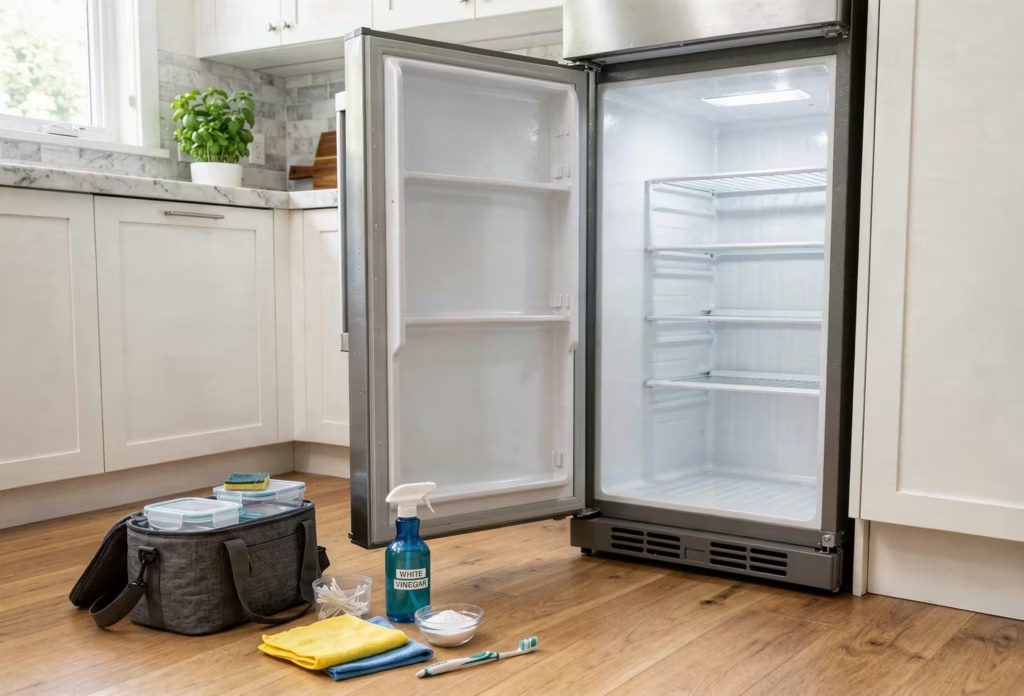
Before you start, gather your kit. You don’t need expensive sprays — in fact, harsh chemicals are best avoided inside a fridge because their strong odours can transfer to food. Gentle, natural cleaning products do the job beautifully.
- Warm soapy water (washing-up liquid in lukewarm water) — your everyday all-rounder
- White vinegar diluted 50/50 with warm water in a spray bottle — great for cutting grease and light disinfecting
- Bicarbonate of soda (baking soda) for a gentle scrubbing paste and odour control
- A few microfibre cloths or paper towels, an old toothbrush, cotton buds, a cool bag and a vacuum cleaner
A quick note on what not to use: avoid bleach inside the fridge, as residue could end up on your food, and skip abrasive scourers that scratch the plastic lining.
How to clean a refrigerator properly, step by step
Here is the complete method. Follow it in order and you’ll clean a refrigerator properly without raising its internal temperature or leaving streaks behind.
Step 1: Empty the fridge
The first thing you should do is take everything out. Working from the top down, remove all food and check use-by dates as you go — that questionable pack of cold cuts and the science experiment at the back can go straight in the food waste. Pop anything perishable (dairy, meat, fish) into a cool bag with ice packs, because bacteria multiply fast at room temperature and you don’t want food sitting on the worktop for long.
Step 2: Remove the shelves and drawers
Take out all the removable shelves and drawers, including the door racks. Don’t try to clean them in situ — it’s awkward and you’ll miss spots. One important rule: if any shelves and drawers are made of glass, let them reach room temperature before washing. Cold glass plunged into hot water can crack or shatter.
Step 3: Wash the shelves and drawers
Wash the shelves and drawers in the sink with warm soapy water. Rinse thoroughly and leave them to air-dry on the draining board, or pat them dry with a clean cloth. Avoid the dishwasher unless you’re certain the parts are dishwasher-safe, as plastic components can warp in a hot cycle and then won’t fit back in. For stubborn, stuck-on residue in the grooves, a paste of baking soda and water works wonders — the same trick covered in our guide to cleaning with baking soda.
Step 4: Clean the interior
Now for the inside. Spray your white vinegar and warm water solution across the interior walls and wipe from top to bottom with a microfibre cloth, so any drips fall onto areas you haven’t cleaned yet. Pay attention to the grooves where the shelves and drawers slot in — a cotton bud or old toothbrush is perfect for digging out trapped grime. White vinegaris a brilliant natural degreaser; if you’d like to know more about its uses, see our piece on cleaning with white vinegar. Once everything is wiped, dry the interior thoroughly with paper towels — leftover moisture encourages mould.
Step 5: Don’t forget the door seals
The rubber door seals (the gasket) are one of the most overlooked parts, yet they trap crumbs, grease and mould in their folds. Wipe the door seals with a cloth dipped in warm soapy water, getting into every crease, then follow up with a dry cloth. Clean door seals matter beyond hygiene: if they’re gunked up, the door won’t close properly and your fridge has to work harder to stay cold.
Step 6: Tackle the drip tray and drain hole
If a smell lingers after you’ve cleaned the visible surfaces, the culprit is often out of sight. The drain hole at the back of the fridge interior can clog with food debris, and the drip tray beneath the appliance collects condensation that can turn rancid. Flush the drain hole with a little warm water and bicarbonate of soda using a syringe or cotton bud, and wipe out the drip tray (check your manual before removing it, and switch off at the wall first).
Step 7: Clean the exterior and condenser coils
Finish with the outside. Wipe the doors, handles and the greasy top edge with warm soapy water — handles are a germ hotspot thanks to constant hand contact. Then pull the fridge out, unplug it, and gently vacuum the condenser coils at the back or underneath. Dusty condenser coils force the motor to work harder, pushing up your energy bills, so this once-a-year job pays for itself. While the fridge is out, vacuum the floor and skirting behind it too.
Cleaning a fridge naturally: which solution to use where
If you’d rather skip shop-bought sprays entirely, here’s a quick reference for cleaning a fridge naturally using ingredients you probably already own.
| Natural solution | Best for | How to use |
|---|---|---|
| Warm soapy water | General interior & exterior | Damp cloth, wipe and dry |
| White vinegar + warm water (50/50) | Grease, light disinfecting, glass | Spray, wipe, buff dry |
| Bicarbonate of soda paste | Stuck-on stains, grooves | Apply, leave 5 min, scrub gently |
| Bicarbonate of soda (open tub) | Absorbing odours | Leave an open pot on a shelf |
A small open tub of baking soda left inside the fridge will keep it smelling fresh for up to three months. Half a lemon, used coffee grounds or oats do a similar job if you’d rather save your bicarb for baking.
How to clean a fridge without turning it off
You don’t always have to switch the fridge off to clean it — and for a quick session, it’s better not to, so your perishablefood stays cold. The trick is to avoid hot water inside the cabinet, as it raises the internal temperature and forces the motor to overwork. Use a cool or lukewarm white vinegar solution instead, work quickly section by section, and keep the door open for as little time as possible. If you’re doing a full deep clean that involves defrosting or pulling the appliance out to reach the condenser coils, then switching it off makes sense.
Common fridge cleaning mistakes to avoid
Even a well-meaning clean can fall short. Steer clear of these slip-ups:
- Using bleach or harsh chemicals inside — residue can taint food and the fumes linger
- Forgetting the door seals, drip tray and drain hole — the usual sources of hidden smells
- Washing cold glass shelves in hot water — they can crack; always bring them to room temperature first
- Putting food back before drying — trapped moisture breeds mould and bacteria
Keeping your fridge cleaner for longer
A little maintenance goes a long way. Wipe up spills the moment they happen, give jars and condiment bottles a quick wipe before they go back in, and check use-by dates during your weekly shop so nothing rots and stinks out the shelves. Don’t overload the fridge either — air needs to circulate for it to cool efficiently. While you’re in a cleaning mood, the same gentle methods apply to the rest of your kitchen: see how to clean a microwave and the best way to clean your ovenfor a spotless cooking space all round.
Cleaning a refrigerator properly really comes down to a simple rhythm: empty, wash, wipe, dry and don’t skip the hidden bits. Do it a few times a year and your fridge will stay fresh, hygienic and efficient for years to come.
FAQ
What is the best thing to clean the inside of a refrigerator with?
Lukewarm warm soapy water is the safest, most effective all-rounder. For a natural alternative, a 50/50 white vinegarand warm water spray cuts grease and lightly disinfects, while a bicarbonate of soda paste lifts stuck-on stains. Avoid harsh chemical sprays, as their odour can transfer to your food.
What is the first thing you should do when cleaning a fridge?
Empty it completely. Remove all food, bin anything out of date, and store perishable items in a cool bag with ice packs so they stay cold while you work. An empty fridge lets you reach every shelf and corner properly.
What should you never clean a fridge with?
Never use bleach inside your fridge — lingering chemical residue could come into contact with food. Avoid abrasive scourers that scratch the lining, and steer clear of strongly scented sprays whose odour can taint what you eat.
Do I need to turn my fridge off to clean it?
Not for a quick clean. Use a cool solution, work fast and keep food in a cool bag. For a full deep clean that involves defrosting or accessing the condenser coils, switching it off is sensible — just remember to leave the door open if it’ll be off for a while, to prevent mould.
How do I keep my fridge smelling fresh after cleaning?
Leave a small open tub of bicarbonate of soda inside to absorb odours for up to three months. Half a lemon, coffee grounds or oats work too. Most importantly, wipe up spills promptly and clear out old food regularly.
What is the 20-minute rule in cleaning?
The 20-minute rule is a tidying tactic: you dedicate a focused 20-minute burst to one task rather than tackling everything at once. It’s handy for a fridge interior clean, which usually fits comfortably within that window once the food is out.