Résumer cet article avec :
 ChatGPT
 Mistral
 Claude
 Perplexity
 Grok
Grok
Nothing beats wrapping yourself in a fluffy, fresh towel after a shower. We know the frustration when your once-soft towels turn scratchy and lose their absorbency. Our guide covers everything you need to achieve hotel-quality results at home.
How Often Should You Wash Towels?
The magic number? Every 3-4 uses keeps your towels fresh and hygienic. Different towel types need different care schedules, and we’ve broken it down for you:
| Towel Type | Washing Frequency |
|---|---|
| Bath towels | Every 3-4 uses or weekly |
| Hand towels | Every 2-3 days |
| Gym towels | After each use |
| Kitchen towels | Daily or after each use |
Hot water at 60°C gives the best way to eliminate bacteria and maintain freshness. Between washes, hang your towels properly – they need to dry completely to prevent becoming a breeding ground for bacteria.
- Always wash towels separately from other laundry items
- New towels should go through the wash before first time use
- If your towel develops a musty smell, wash immediately regardless of usage count
Your towel routine impacts both hygiene and longevity, so finding the right balance matters.
Preparing Your Towels for the Wash
Washing New Towels Before First Use
Your brand new towels need a proper introduction to your laundry routine. New towels come with manufacturing coatings and silicone finishes that actually reduce absorbency – the opposite of what you want.
Why wash before first use:
- Removes factory chemicals and loose towel fibres
- Opens cotton fibres for better water absorption
- Eliminates dust and bacteria from packaging
For coloured towels, wash separately to prevent bleeding. Use half your regular detergent amount with half a cup of white vinegar in the rinse cycle. This simple trick sets colours while removing residues.
People with sensitive skin especially benefit from this initial wash, as it removes potential irritants that experts recommend avoiding.
Sorting by Colour and Fabric Type
Proper sorting prevents colour bleeding and ensures each fabric gets the right treatment. Coloured towels can damage whites, whilst different materials need specific care.
Sort your towels using this system:
| Towel Category | What to Include | Water Temperature |
|---|---|---|
| Whites | White cotton, linen towels | Hot (60°C) |
| Light colours | Pastels, beiges, light greys | Warm (40°C) |
| Dark colours | Navy, black, deep colours | Cool (30°C) |
- Cotton towels: Wash together regardless of thickness
- Microfiber towels: Always separate – they attract lint from other fabrics
- Bamboo or linen: Group with similar natural fibres
Check the label for specific requirements. Some coloured towels contain dyes that run, especially during the first few washes. When in doubt, wash separately to avoid chance of discolouration.
What Temperature Should You Wash Towels At?
Hot Water for White and Light Towels
White and light-coloured towels thrive in hot water at 60°C, giving you that crisp, hotel-fresh finish you’re after. This temperature tackles bacteria effectively whilst maintaining brightness – no more grey, dingy towels lurking in your linen closet.
Hot water benefits for whites:
- Removes build-up from body oils and skincare products
- Prevents yellowing from benzoyl peroxides in acne treatments
- Delivers a deeper clean than warm alternatives
Use your regular detergent amount – avoid too much detergent which creates soapy residue. Baking soda works brilliantly as a natural booster: add half a cup to your wash for extra whitening power.
Skip the dryer sheets with white towels – they reduce absorbency and leave residue. Your sumptuous towel collection deserves this extra care to stay pristine.
Warm Water for Coloured Towels
Coloured towels need a gentler approach than their white counterparts – warm water around 40°C protects vibrant hues whilst still delivering effective cleaning. This temperature strikes the perfect balance between preserving colour integrity and removing daily grime.
Key considerations for coloured towels:
- Use colour-safe detergent to prevent fading over time
- Add a few drops of tea tree oil for natural antibacterial properties
- Avoid too much detergent which can cause build-up and dullness
Warm wash cycles work brilliantly with low heat setting during drying. The ingredients in quality detergents activate effectively at this temperature, ensuring your coloured towels maintain their original vibrancy wash after wash.
Best Washing Machine Settings for Towels
Heavy Duty Cycle Benefits
Heavy duty cycles deliver the most thorough cleaning your washing machine offers, making them ideal for towels that face daily use and moisture absorption.
This robust setting provides longer wash times with increased agitation, effectively removing built-up oils, dead skin cells, and stubborn odours that regular cycles might miss. The extended duration allows detergent to work more thoroughly through thick terry cloth fibres.
When to choose heavy duty:
- Towels used after workouts or swimming
- Coloured towels with persistent smells
- Weekly deep-clean sessions for all towels
- Recovery from build-up caused by too much detergent
The intensive action helps maintain towel absorbency by clearing residue that clogs fibres. Your towels emerge genuinely refreshed rather than just surface-clean, extending their lifespan significantly.
Extra Rinse for Better Results
Adding an extra rinse cycle transforms your towel washing routine, ensuring every trace of detergent disappears from the fibres. This simple setting prevents soap residue build-up that makes towels feel stiff and reduces their natural absorbency.
When extra rinse works best:
- After using baking soda or vinegar treatments
- Coloured towels washed with heavy soil loads
- Sensitive skin households requiring thorough detergent removal
- Recovery from previous overwashing mistakes
The additional water flush leaves towels genuinely clean rather than just surface-washed. You’ll notice improved softness immediately – no more scratchy terry cloth that feels like sandpaper against your skin. This extra step takes minimal time but delivers hotel-quality results every wash.
Keeping Towels Soft Without Fabric Softener
White Vinegar Method for Natural Softness
White vinegar works like magic on towels, breaking down soap residue whilst naturally softening fibres without harsh chemicals. This pantry staple delivers results that rival expensive fabric treatments.
Vinegar measurements for different loads:
| Load Size | White Vinegar Amount | Placement |
|---|---|---|
| Small (1-3 towels) | 125ml (½ cup) | Fabric softener dispenser |
| Medium (4-6 towels) | 250ml (1 cup) | Fabric softener dispenser |
| Large (7+ towels) | 250ml (1 cup) | Direct to drum |
Simple method steps:
- Add your regular detergent amount
- Pour vinegar into fabric softener compartment (or drum for large loads)
- Select warm wash for coloured towels, hot for whites
- Run extra rinse cycle to eliminate any vinegar scent
The acetic acid naturally dissolves mineral deposits and detergent build-up, leaving towels genuinely soft rather than artificially coated.
Baking Soda for Deep Cleaning
Baking soda tackles the toughest towel challenges, neutralising odours and breaking down stubborn residue that regular washing leaves behind. This alkaline powerhouse works particularly well for towels that feel stiff or smell musty despite frequent washing.
Perfect for deep cleaning sessions:
- Weekly refresh for heavily-used towels
- Recovery from detergent build-up
- Eliminating persistent gym or swimming odours
Add half a cup of baking soda directly to your wash drum alongside your usual detergent amount. Run the hottest cycle your towels can handle – the heat activates the cleaning power whilst killing bacteria effectively.
The alkaline properties lift embedded oils and soap residue, which makes the towels soft again. You’ll feel the difference immediately when they come out of the dryer.
How to Make Towels Fluffy Again
Reducing Detergent for Better Texture
Less truly means more when washing towels – using too much detergent creates the stiff, scratchy texture you’re trying to avoid. Most of us pour far more than needed, causing soap residue to cling to fibres and destroy that fluffy feel.
Recommended detergent amounts:
| Load Size | Standard Detergent | Liquid Detergent |
|---|---|---|
| Small (1-3 towels) | 1 tablespoon | 1-2 tablespoons |
| Medium (4-6 towels) | 2 tablespoons | 3 tablespoons |
| Large (7+ towels) | 3 tablespoons | 4 tablespoons |
Start with these amounts and reduce further if your coloured towels still feel stiff after washing. Hard water areas need even less detergent, as minerals help activate cleaning agents more effectively.
The key? Your towels should emerge genuinely clean without any soapy film coating the fibres.
Proper Loading Techniques
Correct loading makes the difference between mediocre and exceptional results – cramming towels into every available space prevents proper agitation and thorough rinsing.
Essential loading principles:
- Fill washer to three-quarters capacity maximum for optimal cleaning
- Distribute towels evenly around the drum to prevent imbalance
- Separate thick bath towels from lightweight hand towels for even washing
- Place coloured towels of similar weights together to ensure consistent results
| Machine Type | Towel Capacity | Loading Tips |
|---|---|---|
| Standard top loader | 4-6 bath towels | Arrange around agitator evenly |
| Front loader | 6-8 bath towels | Avoid packing against door seal |
| Large capacity | 8-10 bath towels | Maintain space for movement |
Overcrowded machines trap soap residue and create uneven cleaning patterns. Give your towels room to move freely – this simple adjustment transforms wash quality dramatically.
Drying Towels: Tumble Dry vs Air Dry
Optimal Dryer Settings
Medium heat provides the perfect balance for most towel types, preventing fibre damage whilst ensuring thorough drying. High temperatures can weaken cotton fibres over time, making towels stiff and reducing their lifespan.
Heat settings by towel type:
| Towel Type | Heat Setting | Drying Time |
|---|---|---|
| Cotton bath towels | Medium | 45-60 minutes |
| Coloured towels | Low-medium | 50-65 minutes |
| Delicate/linen towels | Low | 60-75 minutes |
Essential drying tips:
- Remove towels immediately when cycle finishes to prevent over-drying
- Add wool dryer balls to increase fluffiness and reduce drying time
- Shake towels before loading to prevent tangling
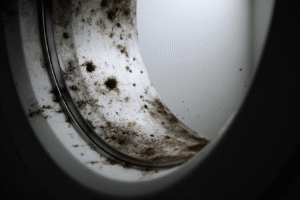
Never leave damp towels sitting – this creates musty odours and potential mildew problems.
When to Choose Air Drying
Certain situations make air drying the smarter choice for your towel care routine, particularly when you want to extend fabric life and reduce energy costs.
Best scenarios for air drying:
- Coloured towels that fade easily in high heat
- Delicate or premium towels requiring gentle treatment
- Energy-saving during warmer months
- When preventing shrinkage matters most
| Weather Condition | Air Drying Time | Best Location |
|---|---|---|
| Sunny, breezy day | 2-3 hours | Outdoor line |
| Overcast but dry | 4-5 hours | Covered area |
| Indoor drying | 6-8 hours | Well-ventilated room |
Remember that air-dried towels naturally feel stiffer initially. Combat this by giving them a vigorous shake before folding, or pop them in the dryer for 5 minutes on no heat to restore fluffiness.
Removing Smells and Stains from Towels
Tackling Musty Odours
Musty smells require a two-step approach to eliminate odour-causing bacteria lurking deep in towel fibres. Start with a vinegar cycle – wash towels in hot water with one cup of white vinegar instead of detergent.
Treatment methods by odour severity:
| Odour Level | First Wash | Second Wash | Additional Step |
|---|---|---|---|
| Mild mustiness | 1/2 cup vinegar | Regular detergent | Air dry completely |
| Strong odours | 1 cup vinegar | 1/2 cup baking soda | Extra rinse cycle |
| Persistent smells | Vinegar + baking soda | Enzyme detergent | Repeat if needed |
Follow the vinegar wash with a regular detergent cycle to remove any remaining residue. Coloured towels benefit from this gentler approach compared to bleach treatments.
Never skip the complete drying step – any remaining moisture invites bacteria back.
Dealing with Makeup and Product Stains
Foundation and mascara stains happen to the best of us – but acting quickly makes all the difference between a salvageable towel and a permanent reminder of your beauty routine.
Treatment by stain type:
| Stain Type | Immediate Action | Treatment Method |
|---|---|---|
| Foundation | Scrape excess gently | Dish soap + cold water |
| Mascara/eyeliner | Blot, don’t rub | Oil-free makeup remover |
| Lipstick | Remove with credit card | White bar soap + warm water |
For stubborn set-in stains:
- Soak overnight in laundry detergent and hot water
- Add half a cup of baking soda to your regular wash cycle
- Wash coloured towels in warm water to prevent fading
Check towels before drying – heat sets stains permanently. Consider keeping dark washcloths specifically for makeup removal to avoid this headache altogether.
Common Towel Washing Mistakes We See
Overloading your washing machine stops towels from moving freely, preventing proper cleaning and rinsing. Seven bath towels maximum for front-loaders, ten for top-loaders.
Using too much detergent creates residue build-up that makes towels stiff and less absorbent. Half the recommended amount works better for most loads.
Mixing towels with other laundry transfers lint and prevents towels from getting the vigorous wash they need. Coloured towels especially benefit from separate loads.
Skipping the pre-wash for new towels leaves manufacturing chemicals that block absorbency. Always wash new purchases before first use.
Leaving damp towels in the machine creates that musty smell that’s nearly impossible to remove. Transfer to the dryer immediately after the cycle finishes.