Résumer cet article avec :
 ChatGPT
 Mistral
 Claude
 Perplexity
 Grok
Grok
Silverware looks timeless on the table — until tarnish dulls its shine. One day it gleams, the next it appears grey, patchy or stained. This is not poor housekeeping. It is chemistry. Silver reacts with sulphur in the air, creating that dark layer we call tarnish. The good news? With the right method, cleaning silverware at home is straightforward, safe and highly effective.
Whether you are dealing with everyday cutlery, decorative pieces, or heirloom items, the key is understanding the metal, choosing the correct natural cleaning products, and avoiding harsh techniques that cause unwanted chemical reactions.
Let us break it down properly — like professionals do.
Clean silver jewellery
Although this guide focuses on silverware, the principles are identical for jewellery. Rings, chains and bracelets are often sterling silver, and therefore prone to tarnish.
Start with warm water and a few drops of dish soap. Submerge the silver for 5–10 minutes to loosen surface dirt. Then, using a soft cloth, gently polish in small circular motions. Avoid scrubbing aggressively; silver is a relatively soft metal and scratches easily.
For deeper tarnish, a baking soda paste (more on that below) works well. Always dry jewellery thoroughly with a clean paper towel before storing. Moisture accelerates tarnish.
Silver cleaner
Commercial silver cleaner can be useful for heavy tarnish, especially on larger sets of silverware. However, choose carefully. Some products are highly abrasive and may strip protective coatings or damage delicate pieces.
Professional advice:
- Use a small amount of product.
- Apply with a soft cloth.
- Polish gently.
- Rinse thoroughly.
- Dry completely.
Never leave silver soaking in chemical cleaner for longer than recommended. Overexposure can damage the metal and create uneven shine.
Cleaning silver with aluminum foil
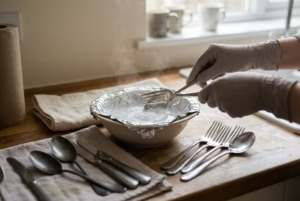
This method is a great way to reverse tarnish without harsh scrubbing. It works through a mild chemical reaction between aluminium, baking soda and tarnish.
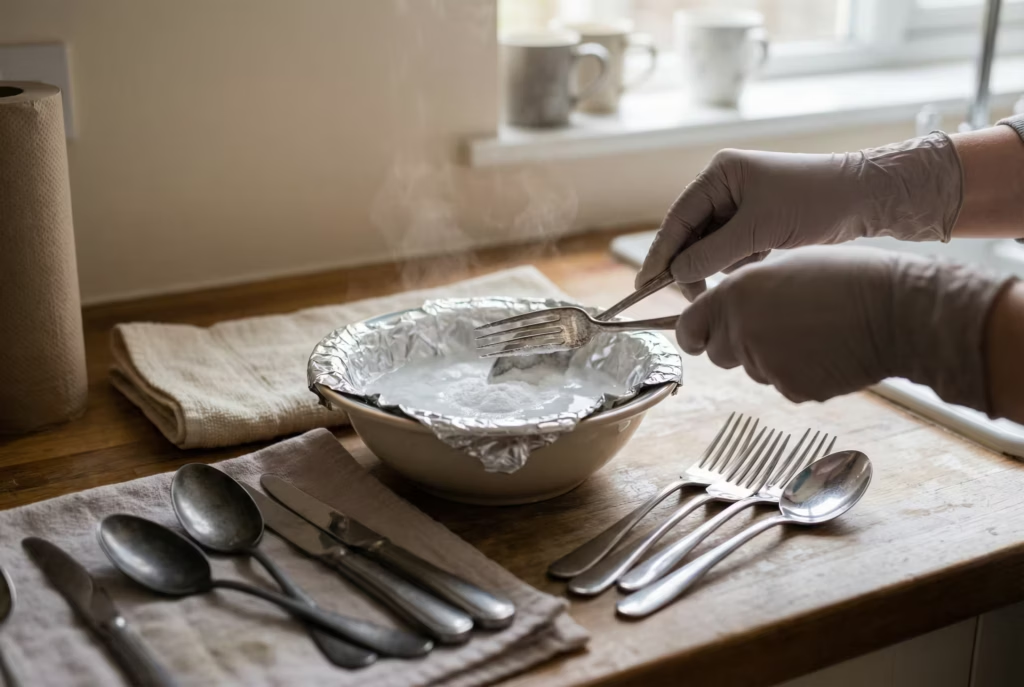
Line a bowl with aluminium foil (shiny side up). Place your silverware inside. Sprinkle generously with baking soda. Pour hot water over the pieces until fully submerged.
You will notice a slight smell — that is the sulphur transferring from the silver to the foil. Leave for 5–10 minutes. Remove using kitchen tongs, rinse, then dry with a soft cloth.
This method is particularly effective for:
- Sets of silverware
- Intricate pieces
- Items with detailed engraving
- Multiple pieces cleaned at once
It is a better method than abrasive polishing when tarnish is widespread.
Cleaning tarnished silver
Before choosing a technique, assess the level of tarnish. Light tarnish appears as a dull film. Heavy tarnish shows as dark or blackened patches.
Here is a comparison of effective approaches:
| Method | Best for | Risk Level | Frequency |
|---|---|---|---|
| Dish soap + warm water | Light tarnish | Very low | Monthly |
| Baking soda paste | Moderate tarnish | Low | As needed |
| Aluminium foil method | Heavy tarnish | Low | Occasional |
| Commercial silver cleaner | Stubborn tarnish | Moderate | Limited use |
For moderate tarnish, mix baking soda with a small amount of water to create a thick paste. Apply gently using a soft cloth. Work in circular motions. Rinse and dry thoroughly.
Avoid steel wool or hard brushes. They scratch silver permanently.
Polish the silver
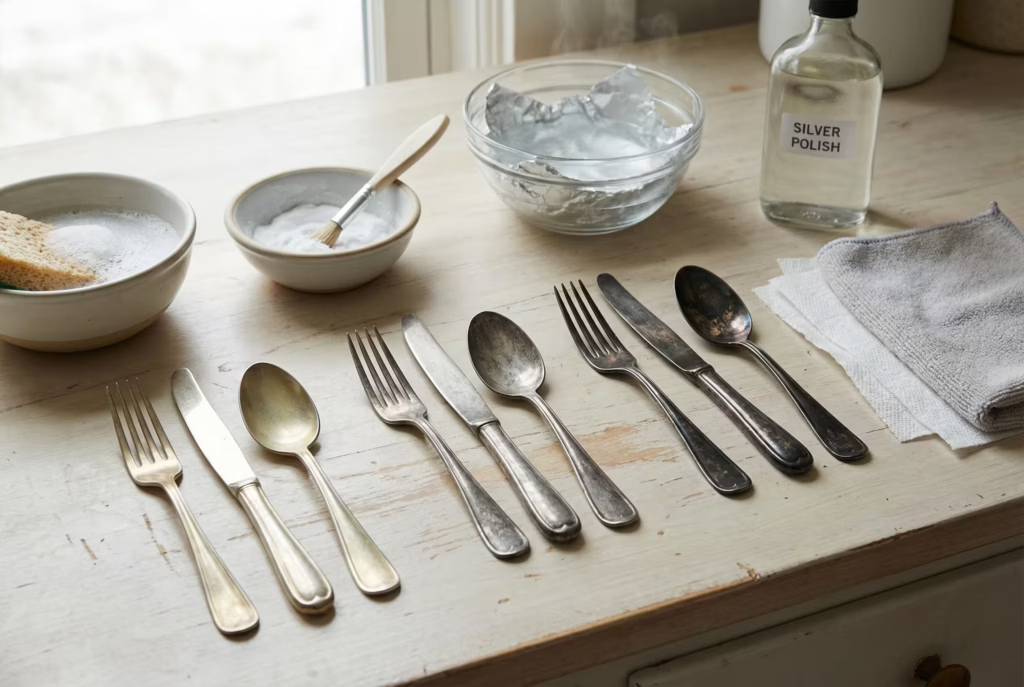
Polishing restores shine after tarnish removal. Use a dedicated polishing cloth or soft microfibre cloth.
Work gently. Polish in straight lines rather than aggressive circular rubbing if the piece has visible grain. Always finish by buffing the surface until it reflects light evenly.
Polishing too frequently can wear down silver plating. If your silverware is plated rather than solid silver, limit polishing sessions to when it is genuinely needed.
Cleaning silver with baking soda
Baking soda for cleaning remains one of the safest and most versatile options to clean silver at home.
There are two main approaches:
- Paste method: Mix baking soda with water to create a thick paste. Apply with a soft cloth. Rinse and dry.
- Foil bath method: Combine baking soda, aluminium foil and hot water to reverse tarnish through a chemical reaction.
Important: Use only a small amount of pressure. The goal is to lift tarnish, not grind the metal.
Avoid mixing baking soda with vinegar directly on silverware. While it creates an interesting fizz, uncontrolled chemical reactions can dull delicate pieces.
Best way to clean silver
The best way depends on the condition of your silverware.
For routine maintenance, wash with warm water and dish soap, dry immediately with a paper towel or soft cloth, and store in a dry environment.
For visible tarnish, start with baking soda. Escalate to aluminium foil only if needed.
Consistency is key. Cleaning silverware at home regularly prevents heavy tarnish from forming in the first place.
Sterling silver tarnish
Sterling silver contains 92.5% silver and 7.5% other metals, usually copper. That additional metal makes it stronger — but also more prone to tarnish.
Sulphur in the air triggers the chemical reaction responsible for darkening. High humidity accelerates the process.
To reduce tarnish:
- Store silverware in anti-tarnish cloth.
- Keep pieces dry.
- Avoid exposure to rubber bands or newspaper.
- Place silica gel packets in storage drawers.
Prevention always beats intensive cleaning.
Cleaning silver with vinegar
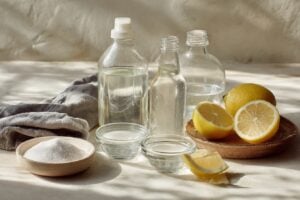
Cleaning with white vinegar can help with tarnish, but use it carefully. Combine half a cup of white vinegar with two tablespoons of baking soda in a bowl. Submerge silverware for two to three hours.
Rinse thoroughly and dry with a soft cloth.
This method should not be used frequently. Prolonged exposure to acidic products can weaken silver plating over time.
Toothpaste to clean silver
Non-abrasive toothpaste can work in emergencies. Apply a small amount onto a soft cloth and rub gently over tarnished spots. Rinse and dry.
However, many modern toothpastes contain micro-abrasives. Always check that it is labelled non-abrasive before applying to silverware. Use sparingly.
Homemade silver cleaner
A reliable homemade silver cleaner includes baking soda, aluminium foil and hot water. It is cost-effective and avoids harsh chemicals.
For light cleaning, dish soap and warm water are sufficient. Keep the process simple. The more aggressive the method, the higher the risk of surface damage.
Cleaning silver cutlery
Cutlery requires particular care because it comes into contact with food. Always rinse thoroughly after using baking soda or vinegar.
Dry immediately. Leaving silver cutlery to air dry encourages water spots and tarnish.
If cleaning large quantities, work in batches rather than overcrowding the bowl with aluminium foil. Overlapping pieces may clean unevenly.
Home remedy for cleaning silver
Home remedies work well when used correctly. Baking soda, hot water, aluminium foil and mild dish soap are usually enough.
Avoid mixing multiple products at once. Uncontrolled chemical reactions can discolour silverware rather than restore it.
Keep it simple. Gentle methods. Controlled exposure. Proper drying.
Natural silver cleaner
A natural silver cleaner relies on minimal ingredients and avoids aggressive commercial chemicals. Baking soda remains the safest option.
For regular upkeep:
- Wash with dish soap.
- Dry thoroughly.
- Polish lightly with a soft cloth.
- Store properly.
Natural does not mean ineffective. It means controlled and safe for your silverware.
FAQ – Cleaning Silverware
How do you clean tarnished silverware?
+Start with warm water and mild dish soap for light tarnish. For darker areas, apply a baking soda paste or use the aluminium foil bath method. Rinse thoroughly and dry immediately with a soft cloth to reduce the risk of new tarnish forming.
What is the best home remedy to clean silverware?
+The aluminium foil and baking soda method is often considered the most effective home solution. It reverses the chemical reaction that causes tarnish instead of simply scrubbing the surface.
How do you polish silver at home?
+After cleaning, use a soft cloth to polish gently. Work in straight lines or small circular motions without applying excessive pressure. Buff until the shine appears even across the surface.
What can you use to clean silver at home?
+Common options include dish soap, baking soda, aluminium foil, white vinegar (occasionally), and non-abrasive toothpaste. Avoid harsh chemicals and abrasive tools that may scratch the metal.
How do you clean silver plate and silver plated cutlery?
+Handle silver-plated items carefully, as the silver layer is thin. Begin with dish soap and water. If tarnish remains, use a light baking soda paste with minimal pressure. Avoid frequent polishing to prevent wearing through the plating.
How do you clean silver with baking soda and aluminium foil?
+Line a bowl with aluminium foil and place the silverware inside. Sprinkle baking soda generously over the items, then pour hot water until submerged. Leave for 5–10 minutes. Remove carefully with kitchen tongs, rinse well and dry thoroughly. The reaction transfers tarnish from the silver to the foil.