Résumer cet article avec :
 ChatGPT
 Mistral
 Claude
 Perplexity
 Grok
Grok
A bathtub rarely gets dirty overnight. Grime builds up quietly: soap scum after every wash, mineral deposits from hard water, body oils settling along the sides. Before you know it, the surface looks dull, feels rough, and no longer smells fresh. This is exactly where cleaning a bathtub with bicarbonate of soda, vinegar and hot water makes sense.
This method is popular for a reason. It relies on simple ingredients, avoids harsh chemicals, and works effectively on most everyday bathtub problems. Used correctly, bicarbonate of soda, white vinegar and hot water can loosen build-up, lift stains and restore cleanliness without damaging enamel or acrylic. The key is not just mixing ingredients, but applying them in the right order, at the right temperature, and on the right areas.
Let us break it down properly — like a professional cleaner would.
Baking soda in the bathtub: why it actually works
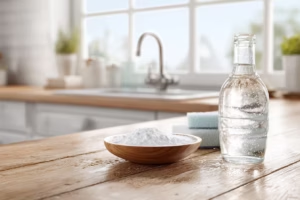
Baking soda, also known as bicarbonate of soda, is not a detergent. Its power lies elsewhere. It is a mild alkaline powder with very fine abrasive properties, making it ideal for cleaning delicate surfaces such as bathtubs.
When used in the bathtub, baking soda cleaning is effective to tackle several problems at once. It neutralises acidic residues left by soaps, helps absorb odours trapped in porous surfaces, and gently scrubs away soap scum without scratching. Unlike many commercial bathtub cleaner products, baking soda does not rely on harsh chemicals to break dirt down.
In professional bathrooms, baking soda is often used to pre-treat dirtier areas such as corners, drains and textured surfaces. Mixed with water, it forms a paste that stays in place, allowing enough contact time to soften build-up before scrubbing.
For best results, baking soda should always be applied to a damp surface. A dry tub will not allow the powder to spread evenly, while too much water will dilute its effectiveness.
Bathtub bleach vs natural methods: what professionals really recommend
Bleach is commonly associated with bathroom cleaning, but it is not always the best solution. While bathtub bleach can kill bacteria and whiten certain stains, it does not remove mineral deposits or soap scum effectively. Worse, repeated use can weaken sealants and discolour some bathtub finishes.
Professional cleaners tend to reserve bleach for disinfection, not routine cleaning. For general maintenance and visible dirt, a natural bathtub cleaner based on bicarbonate of soda and vinegar is safer and often more effective.
Using baking soda and vinegar for cleaning allows you to clean the bath thoroughly without exposing surfaces — or yourself — to harsh chemicals. It is also a more suitable option for households with children or sensitive skin.
Bathtub cleaner choices: when homemade solutions beat commercial products
A store-bought bathtub cleaner can be convenient, but convenience often comes at a cost: strong fumes, residue build-up, and surface wear over time. Homemade mixtures using bicarbonate of soda, white vinegar and warm water offer a controlled alternative.
The advantage of making your own cleaning products is precision. You can adjust concentration depending on how dirty the bathtub is, target specific problem areas, and avoid unnecessary additives.
Professional cleaners often alternate between commercial products and homemade solutions. For regular cleaning, natural mixtures are usually enough. For extreme cases, stronger products may be needed — but that is the exception, not the rule.
How do you clean a bathtub with baking soda and vinegar?
Cleaning a bathtub with baking soda and vinegar works best when done in stages, not all at once. Each ingredient has a role, and timing matters.
Start by rinsing the bathtub with warm water. This removes loose debris and slightly opens surface pores, making cleaning more effective. Sprinkle baking soda generously over the damp surface, paying attention to problem areas where soap scum and mineral deposits accumulate.
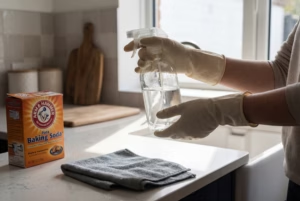
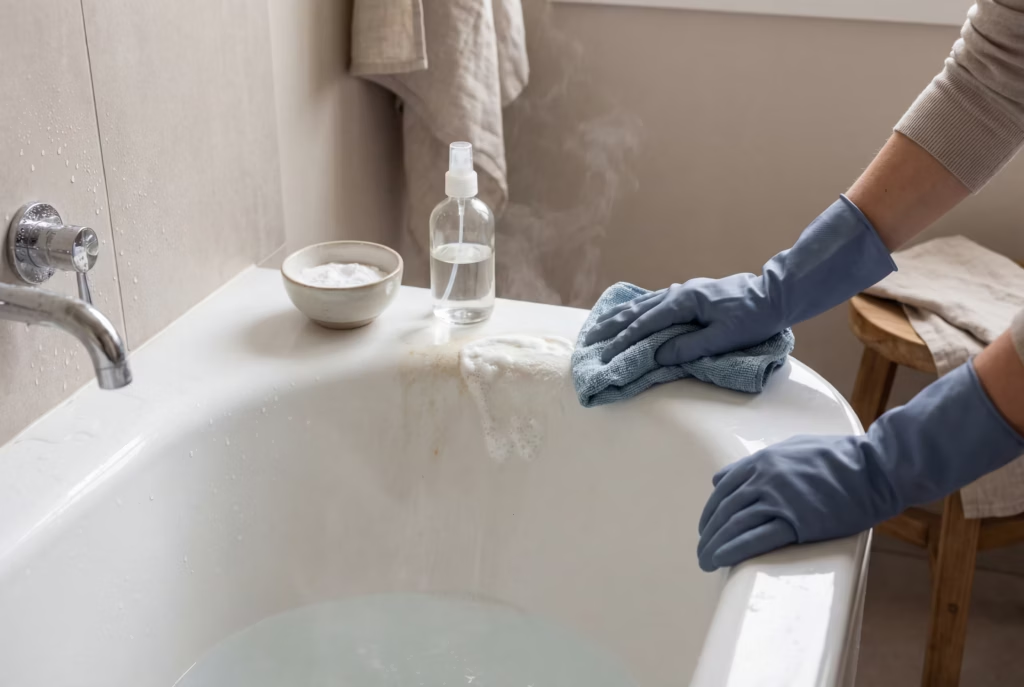
In a spray bottle, prepare a vinegar solution using white vinegar and warm water in equal parts. Lightly spray over the baking soda. The mixture will bubble — this reaction helps lift grime from the surface but does not do the cleaning on its own.
Let the mixture sit for a few minutes. This waiting time allows the bicarbonate of soda to loosen build-up while the vinegar dissolves mineral residues. Afterward, scrub gently using soft cloths or a non-abrasive sponge. Avoid steel wool unless dealing with stubborn stains on enamel tubs only.
Rinse thoroughly with hot water to remove residue.
Bread soda and vinegar cleaning: common myths clarified
The bubbling reaction between baking soda and vinegar looks impressive, which leads many people to believe it is doing most of the cleaning. In reality, the reaction is short-lived and mainly helps loosen debris. The real cleaning power comes from contact time and gentle abrasion.
Another myth is that mixing both ingredients together in advance is effective. Once the bubbling stops, the mixture loses most of its usefulness. This is why professionals always apply baking soda first, then vinegar separately.
Used correctly, bread soda and vinegar cleaning is effective. Used incorrectly, it becomes little more than a visual trick.
Clean bath thoroughly without damaging the surface
To clean a bath properly, surface material matters. Acrylic, enamel and fibreglass all respond differently to abrasives and heat. Bicarbonate of soda is safe for most bathtubs, provided you avoid aggressive scrubbing.
Always use soft cloths or gentle sponges. Circular motions work best, especially along the waterline where soap scum forms a visible ring. Rinse frequently to check progress rather than scrubbing harder.
Regular cleaning prevents the need for deep scrubbing sessions, which is how most surface damage occurs.
How to clean a bathtub?
Cleaning a bathtub effectively is about routine as much as technique. A weekly clean prevents build-up from becoming stubborn. Start by rinsing with warm water, apply a suitable cleaner — natural or commercial — allow time for it to work, then rinse thoroughly.
For natural cleaning, bicarbonate of soda and vinegar remain one of the most reliable combinations when used correctly and consistently.
Bathtub dirty: identifying the type of build-up before cleaning
Not all bathtub dirt is the same. Soap scum appears chalky or greasy. Mineral deposits feel rough and leave white or yellow marks. Body oils create dull patches. Identifying the type of build-up helps choose the right approach.
Bicarbonate of soda is excellent for soap scum and greasy residue. Vinegar solution is more effective on mineral deposits. Hot water helps soften everything, making removal easier.
Treat each area separately rather than applying one method blindly across the entire tub.
Natural bathtub cleaner: when and how to use it
A natural bathtub cleaner is ideal for regular maintenance. It is gentle, cost-effective and safe for most households. Used weekly, it prevents build-up and keeps surfaces bright.
However, natural does not mean effortless. Allowing enough dwell time and using the right tools makes all the difference.
How to clean a dirty bathtub without scrubbing?
When scrubbing is not an option, soaking becomes essential. Fill the bathtub with hot water, add a cup of white vinegar and allow it to sit for 20–30 minutes. Drain, sprinkle baking soda, and rinse again. This method softens build-up enough to wipe it away with minimal effort.
How to clean a bathtub with baking soda?
Baking soda works best as a paste. Mix bicarbonate of soda with water until thick. Apply directly to stains, leave for 10 minutes, then wipe away. This method is especially effective on soap scum and mild discolouration.
How to clean a bathtub with vinegar?
Vinegar is acidic and excels at dissolving mineral deposits. Use a vinegar solution in a spray bottle, apply generously, let it sit for a few minutes, then rinse with warm water. Never leave vinegar on sensitive surfaces for too long.
How to clean a dirty bathtub fast?
Speed comes from preparation. Pre-rinse with hot water, target problem areas first, and avoid over-wetting. Baking soda and vinegar can deliver fast results if used strategically rather than everywhere at once.
Cleaning bathtub with bicarbonate of soda, vinegar and hot water: professional method
| Step | Product used | Purpose |
|---|---|---|
| Pre-rinse | Hot water | Loosen dirt |
| Scrub base | Baking soda | Remove soap scum |
| Dissolve deposits | Vinegar solution | Break mineral deposits |
| Final rinse | Warm water | Remove residue |
This method balances effectiveness with surface safety.
Deep clean vs regular cleaning: knowing when to escalate
Regular cleaning keeps the bathtub manageable. A deep clean is needed when stains persist, surfaces feel rough, or odours linger. Deep cleaning should be occasional to avoid unnecessary wear.
Harsh chemicals: why they are rarely necessary
Harsh chemicals can damage sealants, irritate skin and worsen indoor air quality. Most bathtub problems respond well to gentler methods when applied correctly.
Mineral deposits and soap scum: tackling the real culprits
Mineral deposits come from hard water. Soap scum results from soap reacting with minerals. Using vinegar solution regularly prevents both from settling permanently.
Tools that matter: what professionals actually use
Avoid steel wool unless absolutely necessary. Soft cloths, non-abrasive sponges and a spray bottle are usually enough. Tools should support the cleaner, not replace it.
FAQ
Can I put baking soda and vinegar in my bath water?
Yes, but it is more effective for deodorising than cleaning. For surface cleaning, direct application works better.
What do plumbers say about using baking soda and vinegar?
Plumbers agree it is safe for drains in moderation but should not replace proper drain maintenance.
Is bicarbonate of soda the same as baking soda?
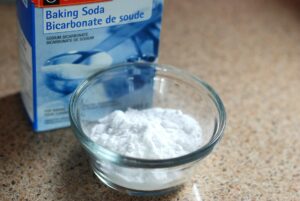
The short answer is YES. Bicarbonate of soda is the same as baking soda.
Does vinegar and baking soda remove hair block?
It can help loosen minor blockages but is not a guaranteed solution for serious clogs.