Summarise this article with:
 ChatGPT
 Mistral
 Claude
 Perplexity
 Grok
Grok
If allergies seem worse at home, everyday allergens such as dust mites, pet dander, pollen and mould may be part of the problem. They can settle in bedding, carpets, upholstered furniture and on household surfaces, making regular cleaning an important part of keeping your home comfortable.
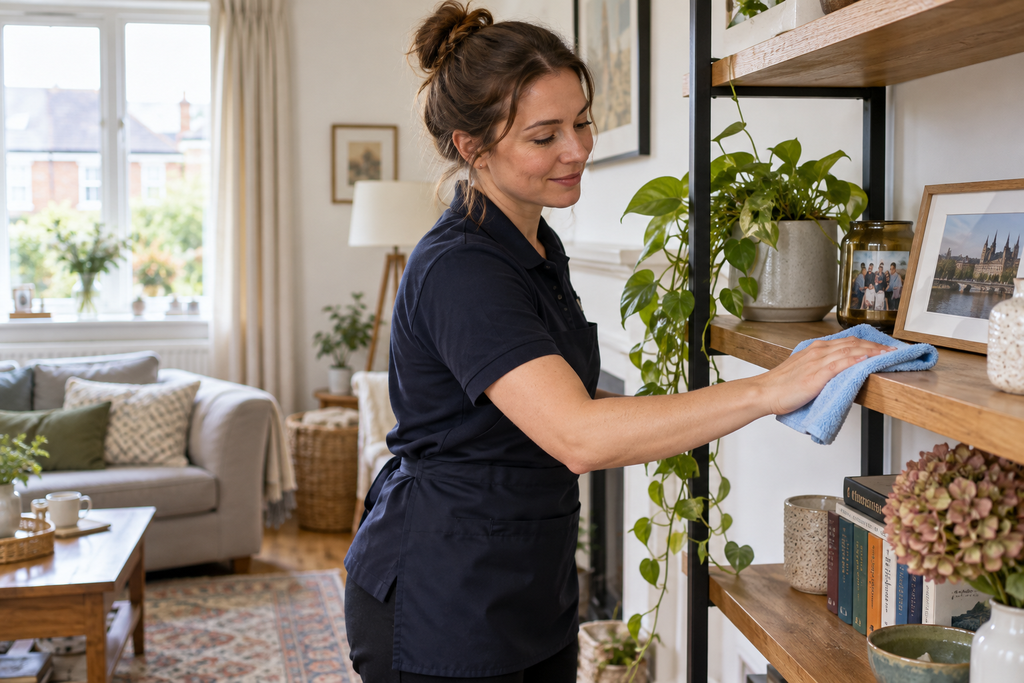
A good cleaning routine for allergies focuses on removing dust rather than spreading it around, keeping fabrics clean and paying attention to areas where moisture can build up.
Cleaning won’t cure an allergy, but it can help reduce exposure to certain household allergens. Here’s how to approach cleaning room by room, which tasks deserve extra attention and when a more thorough clean might be useful.
Health note: If you have diagnosed allergies or asthma, follow the advice of your GP or allergy clinic. The health recommendations in this guide are based on NHS and UK government guidance.
Why does cleaning matter for allergy sufferers?
Household allergens can accumulate in places that are easy to overlook, from mattresses and sofas to carpets and curtains.
House dust mites, for example, thrive in warm, humid environments and are commonly found in bedding, upholstered furniture and soft furnishings.
Cambridge University Hospitals recommends regular vacuuming and damp dusting for people with a diagnosed house dust mite allergy, alongside other measures recommended by their healthcare professional.
A consistent cleaning routine can help by:
- Removing dust from floors and surfaces
- Reducing the build-up of particles in carpets and upholstery
- Keeping frequently used rooms clean
- Making bedding and washable fabrics easier to maintain
- Helping you spot areas affected by condensation or damp
The key is consistency. Keeping on top of everyday cleaning is generally more manageable than tackling weeks of accumulated dust in one go.
Common allergens found around the home
Different allergens collect in different places, so it helps to know where to focus your cleaning efforts.
Dust mites
Dust mites are microscopic creatures commonly found in mattresses, bedding, carpets, curtains and upholstered furniture.
For people with a diagnosed dust mite allergy, Cambridge University Hospitals recommends:
- Vacuuming at least once a week
- Damp dusting at least once a week
- Washing suitable bedding at 60°C
- Using allergen-barrier bedding covers where recommended
- Managing humidity and ensuring adequate ventilation
Ideally, someone with a dust mite allergy should avoid doing the vacuuming themselves, as the activity can disturb dust.
If that’s not possible, a vacuum cleaner with a HEPA filter that prevents dust from being blown back into the room may be helpful.
These measures are intended for people with a diagnosed dust mite allergy and should complement their medical advice.
Pet allergens
Pet allergens can collect in household dust, carpets, sofas and bedding. They’re not limited to visible pet hair, which means a surface can look clean while still containing allergens.
If someone in your household is allergic to pets, regular cleaning can help reduce the build-up of dust and debris.
Focus on:
- Hoovering floors and carpets
- Cleaning accessible furniture surfaces
- Washing suitable pet bedding and household fabrics
- Keeping bedrooms and other frequently used areas easy to clean
Cleaning alone won’t eliminate pet allergens or guarantee an allergen-free home. If exposure causes persistent symptoms, speak to a healthcare professional about appropriate measures.
Pollen
Pollen can enter your home through open windows and doors, or be carried indoors on clothing, shoes and pets.
During periods of high pollen levels, the NHS recommends:
- Vacuuming regularly, ideally using a vacuum with a HEPA filter
- Dusting surfaces with a damp cloth
- Keeping windows and doors closed as much as possible
- Showering and changing clothes after spending time outdoors
- Avoiding drying clothes outside when pollen levels are high
Pay particular attention to floors, windowsills and other surfaces where pollen may settle.
Remember that ventilation still matters, particularly in rooms affected by moisture. If you’re dealing with both pollen and condensation, you’ll need to balance limiting pollen entering the home with maintaining adequate ventilation.
Damp and mould
Damp and mould require particular care because cleaning visible mould doesn’t solve the underlying problem.
UK government guidance explains that damp and mould can produce allergens and irritants, particularly affecting the airways and lungs.
The guidance also stresses the importance of identifying and fixing the source of moisture, whether that’s condensation, leaks, building defects or inadequate ventilation.
Regular cleaning helps maintain bathrooms and kitchens, but persistent damp or mould needs to be addressed at its source.
Specialist mould removal and repairs are separate from normal domestic cleaning.
What is the best cleaning routine for allergies?
An allergy-conscious cleaning routine doesn’t need to be complicated. The aim is to clean regularly, focus on the areas where allergens collect and avoid unnecessarily stirring up dust.
For people with a diagnosed house dust mite allergy, NHS hospital guidance recommends vacuuming and damp dusting at least weekly.
A practical household routine could look like this:
| Task | Suggested routine |
|---|---|
| Hoover floors and carpets | At least weekly for diagnosed dust mite allergy |
| Damp dust accessible surfaces | At least weekly for diagnosed dust mite allergy |
| Clean kitchens and bathrooms | Regularly, depending on use |
| Change and wash bedding | Regularly, following care labels and allergy advice |
| Wipe frequently used surfaces | As needed |
| Check for condensation or damp | Regularly, especially in kitchens and bathrooms |
These are general housekeeping suggestions, not a medical schedule for every allergy.
If cleaning tends to trigger your symptoms, consider asking someone else to handle dustier tasks, particularly vacuuming.
Types of cleaning for allergy-conscious homes
Both regular and deep cleaning can help maintain a cleaner home, but they serve slightly different purposes.
Regular domestic cleaning
Routine cleaning focuses on everyday household maintenance, including:
- Dusting accessible surfaces
- Hoovering and mopping floors
- Cleaning kitchens and bathrooms
- Cleaning mirrors and accessible windows
- Emptying bins
- Changing bed linen
For an allergy-conscious household, regular cleaning can make it easier to stay on top of dust in bedrooms, living areas and other frequently used spaces.
Deep cleaning
Deep cleaning goes beyond routine upkeep and can be useful when dirt and dust have built up in areas that aren’t always covered during a standard clean.
Depending on the service, it may include:
- Cleaning inside cupboards and drawers
- Detailed cleaning of kitchen appliances
- Wiping skirting boards and door frames
- Cleaning accessible hard-to-reach areas
- More intensive cleaning of kitchen and bathroom surfaces
Deep cleaning can help remove built-up dust and dirt, but it is not a treatment for allergies.
It also doesn’t replace specialist carpet treatment, mould removal or other services requiring specific equipment and expertise.
Cleaning carpets for allergies
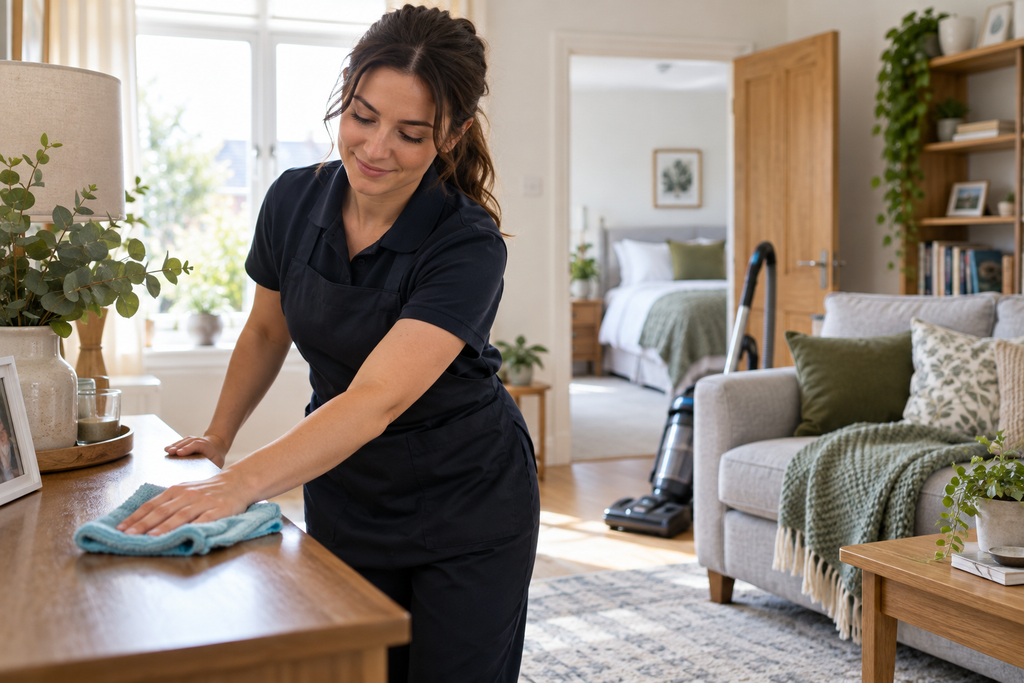
Carpets can trap dust, pollen and other particles, making regular vacuuming an important part of an allergy-conscious cleaning routine.
For people with a diagnosed dust mite allergy, Cambridge University Hospitals recommends thorough vacuuming of carpets and upholstered furniture at least once a week.
If you have the allergy yourself, it’s preferable to have someone else do the vacuuming. Where that’s not possible, a HEPA-filtered vacuum that doesn’t release dust back into the room may be helpful.
A few practical tips:
- Vacuum regularly rather than waiting for visible dust
- Pay attention to frequently used areas
- Use a vacuum suitable for your flooring
- Follow the manufacturer’s instructions for filters and maintenance
- Avoid stirring up unnecessary dust while cleaning
Routine vacuuming is different from specialist carpet shampooing, steam extraction or other intensive carpet treatments.
Cleaning bedrooms and bedding for allergies
Bedrooms deserve particular attention because mattresses, pillows, bedding and soft furnishings can collect dust mites and other allergens.
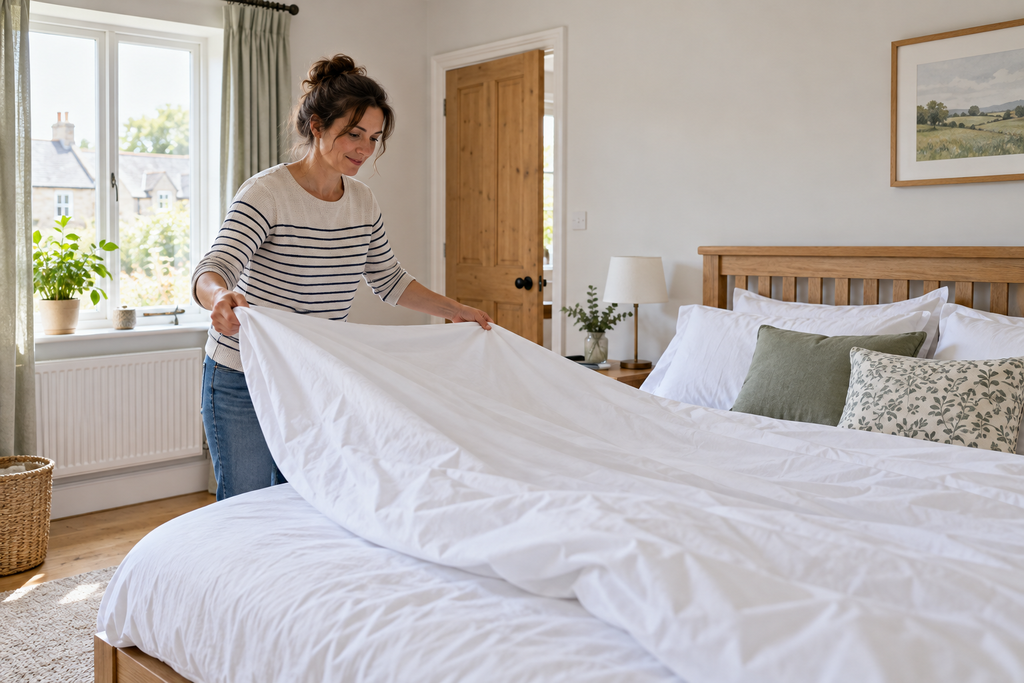
For people with a diagnosed dust mite allergy, Cambridge University Hospitals recommends washing suitable bedding at 60°C, where the care label allows it.
A practical bedroom cleaning routine can include:
- Dusting bedside tables, shelves and other accessible surfaces
- Hoovering the floor and accessible areas around furniture
- Cleaning mirrors
- Changing bed linen
- Keeping floors and surfaces free from unnecessary clutter
- Washing suitable bedding according to its care label
Allergen-barrier mattress and pillow covers may also be helpful when recommended by an allergy clinic.
If you’re particularly sensitive to dust mites, it’s best to avoid being in the bedroom while dusty tasks or bedding changes are being carried out. Cambridge University Hospitals also advises staying out for at least half an hour after the bed has been remade.
Changing bed linen can be part of a regular domestic cleaning session, but washing and drying laundry is a separate task and may not be included in every cleaning service.
Kitchen cleaning in an allergy-conscious home
Keeping kitchen surfaces clean is an important part of everyday household hygiene.
Kitchens also produce moisture through activities such as cooking and washing up, so adequate ventilation matters.
A regular kitchen cleaning routine can include:
- Wiping worktops and accessible surfaces
- Cleaning sinks and taps
- Cleaning hobs
- Wiping the exterior of small appliances
- Hoovering and mopping floors
- Emptying bins
For more intensive cleaning, attention may also be given to areas such as the inside of cupboards, ovens and other appliances.
If someone in your household has a food allergy, follow the specific advice provided by their healthcare team, particularly regarding food preparation and preventing cross-contact.
Bathroom cleaning and mould prevention
Bathrooms are naturally exposed to moisture, making routine cleaning and adequate ventilation especially important.
UK government guidance highlights condensation and inadequate ventilation as factors that can contribute to damp and mould, particularly in kitchens and bathrooms.
A regular bathroom cleaning routine might include:
- Cleaning sinks and taps
- Cleaning toilets
- Wiping baths and showers
- Cleaning mirrors
- Mopping floors
- Paying attention to areas where moisture accumulates
Use extractor fans and maintain adequate ventilation to help manage moisture.
If mould keeps returning, or you notice persistent damp or water damage, the priority is to identify and correct the underlying cause.
Cleaning alone won’t fix leaks, inadequate ventilation or building defects.
Cleaning for pet allergies
If pet allergens are a concern, focus on the areas where pet hair, dust and debris tend to accumulate.
That often means paying extra attention to floors, sofas, carpets and sleeping areas.
A simple routine can include:
- Hoovering floors regularly
- Damp-wiping accessible surfaces
- Cleaning around furniture where possible
- Washing suitable household fabrics
- Keeping pet bedding clean according to its care instructions
Pet allergens can remain in the home even after visible hair has been removed, so cleaning cannot guarantee that an environment is allergen-free.
For persistent or severe symptoms, follow advice from a healthcare professional.
Home cleaning tips for allergy sufferers
Small changes to your cleaning habits can make regular upkeep easier.
- Work from top to bottom: Dust higher surfaces first, then clean floors to remove particles that have settled.
- Use a damp cloth: Damp dusting helps pick up dust instead of simply moving it into the air.
- Keep clutter manageable: Clear surfaces are easier to clean thoroughly.
- Pay attention to bedrooms: Bedding, mattresses and soft furnishings are common places for dust mites to collect.
- Choose the right vacuum: A HEPA-filtered vacuum may be helpful, particularly if someone with a dust mite allergy needs to vacuum.
- Clean regularly: Staying on top of routine tasks helps limit the build-up of dust and dirt.
- Set priorities: If someone else cleans your home, let them know which rooms and surfaces need the most attention.
The best routine is one you can maintain consistently and adapt to your household’s needs.
How to clean safely when you have allergies
Take extra care when someone in the household has allergies, asthma or sensitivities.
Some cleaning products can irritate the skin, eyes or airways, so it’s important to use them correctly.
A few sensible precautions include:
- Read and follow product instructions
- Never mix cleaning chemicals, particularly bleach with other cleaning products
- Use products suitable for the surface being cleaned
- Ensure appropriate ventilation when using cleaning chemicals
- Avoid products that you know trigger irritation or sensitivity
- Leave specialist mould removal to appropriately equipped professionals where necessary
If a product causes irritation, stop using it and follow any medical advice you’ve been given.
Cleaning can help reduce household dust, but it isn’t a substitute for medical treatment or specialist remediation.
Which cleaning products are best for allergies?
There isn’t one cleaning product that works best for everyone with allergies.
The most suitable choice depends on your individual sensitivities, the surfaces you’re cleaning and any recommendations from your healthcare professional.
Some people may prefer fragrance-free products if they’re sensitive to strong scents, but fragrance-free doesn’t automatically mean allergen-free or suitable for everyone.
When choosing cleaning products:
- Check the ingredients and manufacturer’s instructions
- Avoid products that you know cause irritation
- Use products designed for the surface being cleaned
- Never mix different cleaning chemicals
- Follow any specific medical advice you’ve received
If you’re booking a cleaner, let them know about any product preferences or sensitivities in advance.
Some cleaning services ask customers to provide suitable products, while others offer cleaning supplies as an optional extra.
Can professional house cleaning help allergy sufferers?
Keeping up with regular cleaning can be challenging, particularly if vacuuming or dusting tends to trigger your symptoms.
A professional domestic cleaner can help with routine household tasks, such as dusting accessible surfaces, hoovering floors and cleaning kitchens and bathrooms.
You can also discuss which rooms need the most attention, whether that’s a bedroom with carpets, a frequently used living room or areas where dust tends to accumulate.
Professional domestic cleaning isn’t a specialist allergy treatment, but it can help you maintain a consistent cleaning routine.
If you’d like help staying on top of dusting and vacuuming, you can book a domestic cleaner with Wecasa and ask them to prioritise bedrooms, floors and other areas within the scope of your cleaning session.
Frequently asked questions
Can cleaning help with allergies?
Regular cleaning can help reduce dust and certain allergens in the home. For people with a diagnosed house dust mite allergy, NHS hospital guidance recommends measures such as regular vacuuming and damp dusting. Cleaning doesn’t cure allergies or replace medical treatment.
What is the best way to clean my house if I have allergies?
Focus on regular vacuuming, damp dusting, clean bedding and frequently used surfaces. The most suitable routine depends on your specific allergy. If you have a dust mite allergy, it’s preferable to have someone else handle vacuuming where possible.
How often should you clean if you have allergies?
It depends on the allergen and your household. For people with a diagnosed dust mite allergy, Cambridge University Hospitals recommends vacuuming and damp dusting at least weekly. Other tasks can be scheduled according to your needs and the advice of your healthcare professional.
Is deep cleaning good for allergies?
Deep cleaning can help remove accumulated dust and dirt from areas that routine cleaning may not cover. However, it isn’t a medical treatment for allergies, and it can’t guarantee an allergen-free home.
What is the best way to clean carpets for allergies?
Regular vacuuming is important, particularly for people with dust mite allergies. A vacuum with a HEPA filter that doesn’t blow dust back into the room may be helpful. Specialist carpet washing or extraction is a separate service from routine vacuuming.
Should bedding be washed at 60°C for dust mites?
For people with a diagnosed dust mite allergy, Cambridge University Hospitals recommends washing suitable bedding at 60°C, where the fabric permits. Always check the care label and follow any specific advice from your allergy clinic.
Does a HEPA vacuum help with allergies?
A vacuum with a HEPA filter may help reduce the amount of dust released back into the air during cleaning. NHS guidance recommends considering one for hay fever, while Cambridge University Hospitals notes that it may be helpful for people with dust mite allergies who need to do their own vacuuming.
Can regular cleaning reduce pet allergens?
Regular vacuuming, wiping surfaces and washing suitable fabrics can help reduce the build-up of dust and particles containing pet allergens. However, cleaning alone won’t remove all pet allergens or eliminate allergic reactions.
Is it better to dust with a wet or dry cloth?
Damp dusting is generally preferable when trying to avoid spreading dust into the air. NHS guidance recommends dusting with a damp cloth for hay fever, and Cambridge University Hospitals recommends damp dusting for people with diagnosed dust mite allergies.
Can cleaning remove mould allergens?
Cleaning visible mould doesn’t necessarily address the underlying damp problem. Persistent mould requires investigation and appropriate treatment of its cause, such as leaks, condensation or inadequate ventilation. Standard domestic cleaning is not a substitute for specialist mould remediation.
What is the best cleaner to use if you have allergies?
The best cleaning product depends on your allergies and individual sensitivities. Fragrance-free products may be a good option if strong scents irritate you, but they aren’t necessarily suitable for everyone.
For everyday cleaning, a damp microfibre cloth can help pick up dust without spreading it into the air. A vacuum cleaner with a HEPA filter may also help reduce airborne dust during cleaning.
Always follow product instructions, avoid mixing cleaning chemicals and choose products you know you tolerate well.