Summarise this article with:
 ChatGPT
 Mistral
 Claude
 Perplexity
 Grok
Grok
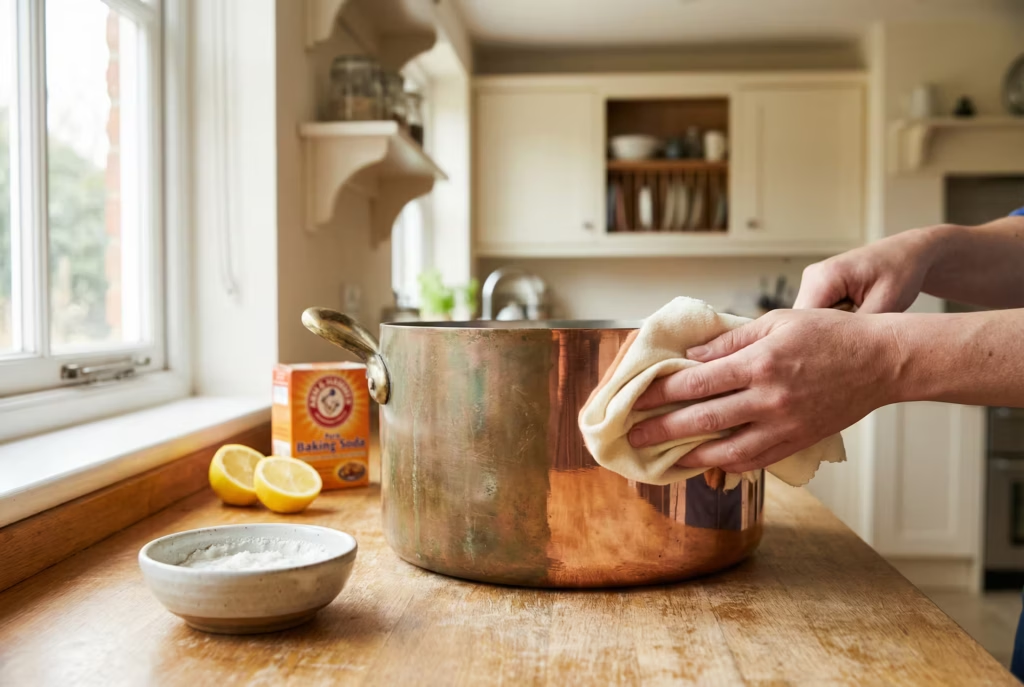
Copper is a stunning metal known for its lustrous appearance and versatility in household items such as cookware, decorative objects, and even coins. However, like all metals, copper tarnishes over time, especially when exposed to air. The tarnishing happens due to copper’s natural reaction with oxygen, forming a layer of copper oxide. Whether you want to restore the natural shine of your copper pots, plates, or even coins, there are numerous ways to clean and maintain copper effectively.
Why Does Copper Tarnish?
Copper tarnishes naturally when it reacts with oxygen in the air, forming copper oxide, which causes a dull or even greenish color on its surface. This process is called oxidation, and while it’s a natural occurrence, it can be unsightly, especially when it happens to your favorite copper items like cookware or jewelry.
The greenish layer that forms over time is called patina. Some people love this patina, as it adds a rustic, vintage look to their copper items. However, if you prefer to keep your copper looking shiny and bright, cleaning and maintaining it regularly is key.
The best way to prevent tarnishing is to minimize copper’s exposure to air and moisture, but there are times when cleaning is unavoidable. Understanding how copper tarnishes will help you take better care of your precious items and know how to restore them to their original state.
Best way to clean copper
When it comes to cleaning copper, there are several methods, depending on how tarnished the item is. For routine cleaning, natural ingredients like vinegar, salt, lemon, and baking soda can work wonders. These methods are effective, simple, and environmentally friendly. Here are the best techniques to restore copper to its shiny state:
1. Vinegar and Salt Method
Vinegar and salt are one of the most effective natural ways to clean copper. This solution works by breaking down copper oxide (the tarnish) and dissolving it, revealing the bright copper beneath. It’s an excellent method for routine cleaning and maintenance of copper items.
How to Clean Copper Using Vinegar and Salt:
- Mix equal parts of white vinegar and salt in a bowl.
- Dip a soft cloth or sponge into the solution and apply it directly to the tarnished copper.
- Rub gently in a circular motion to remove tarnish, especially around intricate designs or hard-to-reach spots.
- For heavily tarnished areas, allow the mixture to sit for a few minutes before scrubbing.
- Rinse thoroughly with warm water to remove any residue.
- Dry the copper completely with a clean, dry towel to prevent further oxidation.
Cleaning copper pans and bottle
The previous method is perfect for cleaning copper pots, pans, and small copper objects. For more stubborn tarnish, additional scrubbing or the addition of other ingredients like baking soda may be necessary.
2. Lemon and Baking Soda
Another effective way to clean copper is by using lemon and baking soda. The acidity of lemon juice works in tandem with the abrasiveness of baking soda to lift and remove tarnish. Plus, the fresh lemon scent is an added bonus!
Lemon and Baking Soda: best copper cleaner
- Cut a lemon in half, then sprinkle baking soda onto the cut side of the lemon.
- Rub the lemon directly onto the tarnished copper surface, pressing down to release the lemon juice as you scrub.
- If the copper is heavily tarnished, you may want to apply extra baking soda to the lemon for more abrasion.
- After cleaning, rinse the copper with warm water.
- Buff with a soft cloth for a shiny finish.
This method works well for cleaning smaller copper items like jewelry, copper cups, or copper trays. Cleaning with lemon helps remove tarnish while also polishing the copper.
3. Ketchup Method
Ketchup is not only a popular condiment but also an effective copper cleaner. The acidity of the vinegar in ketchup helps break down tarnish, while the tomato paste works as an abrasive that gently scrubs the surface. This method is especially useful for cleaning smaller copper objects like coins, jewelry, or decorative items.
How to Clean Copper with Ketchup:
- Apply a thin layer of ketchup to the tarnished copper object.
- Let it sit for about 10-15 minutes to allow the acidity to work on the tarnish.
- After the wait time, gently rub the ketchup into the copper with a soft cloth or sponge.
- Rinse thoroughly with warm water and dry with a soft towel.
Ketchup works wonders on lighter tarnish, and it’s quick and easy, making it a go-to method for small cleaning jobs. However, for more significant tarnishing, you may need to use a more robust cleaning solution like vinegar and salt.
How to Clean Copper Pots and Pans
Copper cookware often accumulates stubborn tarnish due to exposure to heat and food residues. If you’ve noticed your copper pans have lost their shine or have built-up stains, here’s how to restore them:
1. Clean Copper Pans with Vinegar
If your copper pans have a lot of built-up tarnish or residue from cooking, you can clean them using vinegar, which dissolves grease and grime while removing tarnish.
Steps to Clean Copper Pans with Vinegar:
- Combine equal parts vinegar and water in your copper pan.
- Bring the mixture to a boil over medium heat.
- Let the solution boil for 2-3 minutes, allowing the vinegar to break down grease and tarnish.
- Once the solution cools, scrub the pan with a soft sponge to remove any remaining tarnish.
- Rinse with warm water and dry thoroughly.
For stubborn stains, consider adding baking soda to the vinegar solution or using a paste to scrub the affected areas.
2. Baking Soda and Vinegar Paste for Stubborn Stains
If your copper pans have difficult-to-remove burn marks or stains, try creating a paste with baking soda and vinegar. The abrasiveness of the baking soda, combined with the acidity of vinegar, will tackle even the most challenging tarnish.
Steps to Clean Stubborn Copper Stains:
- Create a paste by mixing baking soda, vinegar, and a small amount of salt until it forms a thick paste.
- Apply the paste to the stained areas of your copper pan.
- Allow it to sit for 10-15 minutes.
- Scrub the pan with a soft-bristled brush or sponge to remove the stains.
- Rinse with warm water and dry thoroughly.
This method is excellent for copper pots and pans that have been neglected or have heavy burn marks.
How to Remove Oxidation from Copper
If your copper item has been exposed to air for too long, it may develop a greenish-blue patina due to oxidation. To remove this oxidation and restore the copper’s shine, follow these steps:
1. Vinegar and Salt to Remove Oxidation
Vinegar and salt can effectively break down oxidation, allowing you to restore the bright color of your copper.
- Mix equal parts vinegar and salt to form a paste.
- Apply the paste to the oxidized areas of the copper.
- Gently scrub with a soft cloth or brush to lift the oxidation.
- Rinse with warm water and dry thoroughly.
2. Polishing After Oxidation Removal
Once oxidation is removed, you can polish the copper to bring out its natural shine. You can use commercial copper polish or a homemade paste made from flour, vinegar, and salt.
How to Prevent Copper from Oxidizing
To ensure that your copper items stay shiny for as long as possible, prevention is key. Here are some tips for protecting your copper from oxidation:
1. Apply a Protective Coating
After cleaning, applying a protective coating of clear lacquer can help prevent oxidation. This creates a barrier between the copper and the air, keeping the tarnish at bay.
2. Store Properly
Store your copper items in a dry place. Avoid exposing them to moisture, as humidity can accelerate tarnishing and oxidation.
3. Regular Maintenance
Regularly clean your copper items to prevent tarnish from building up. Use gentle cleaning methods to maintain their shine and keep oxidation at bay.
How do you make copper bright and shiny?
Achieving a mirror-like finish requires specific polishing techniques beyond basic cleaning. Professional results come from using the right tools and compounds in sequence.
Essential polishing methods include:
- Buffing wheels with polishing compound: Start with coarse compound, progress to fine finishing compound for maximum brilliance
- Steel wool treatment: Fine-grade steel wool removes surface imperfections before final polishing
- Commercial copper creams: Wright’s Copper Cream or similar products provide consistent, professional-grade results
For elbow grease enthusiasts, create a flour-based polish by mixing equal parts flour and salt with vinegar. This homemade solution produces exceptional shine when applied with circular motions using a microfiber cloth.
The key lies in working progressively from cleaning to polishing. Always finish with thorough rinsing using hot water to remove all residue, then buff immediately with a dry cloth to prevent water spots from forming on your newly brightened copper pieces.