Summarise this article with:
 ChatGPT
 Mistral
 Claude
 Perplexity
 Grok
Grok
A blocked sink almost never appears out of nowhere. In the vast majority of homes, a blockage builds up gradually as everyday residue sticks to the inside of the waste pipe, narrowing the passage until water struggles to pass through. What usually starts as a slightly slow drain can quickly turn into standing water, unpleasant smells, or an overflowing kitchen sink that disrupts the entire room. The real issue is not the blockage itself, but how people respond to it: rushing straight to chemical drain unblockers, forcing tools into the pipe, or repeating ineffective methods until the situation worsens.
The key to unblocking a sink safely is understanding what is causing the blockage in the first place. A kitchen sink is usually blocked by grease build-up, while a bathroom sink tends to clog with hair, soap residue and limescale binding together. These materials behave very differently inside pipes, which is why a method that works perfectly in one sink may fail completely in another. Professional cleaners do not rely on guesswork — they follow a logical escalation, starting gently and increasing strength only when necessary. That is exactly the approach used throughout this guide.
How to Deal with a Slow Draining Sink
When a sink still drains, even slowly, the blockage is usually partial and located close to the plug hole. This is the ideal moment to act, because early-stage blockages are far easier to clear and rarely require tools or chemicals. One of the most common mistakes is ignoring visible debris at the surface and immediately trying more aggressive solutions.
Start by removing the strainer and inspecting the plug hole carefully. Wearing rubber gloves, clear away any material you can reach: food scraps in a kitchen sink, or hair and soap residue in a bathroom sink. This step often improves drainage immediately because surface debris acts like a net, trapping everything that flows past it. Once the plug hole is clear, pour hot water steadily into the sink rather than all at once. The sustained heat helps soften grease build-up or loosen soap residue so it can move further down the pipe instead of re-solidifying.
If drainage improves but is not fully restored, repeat the hot water flush once more. At this stage, patience is more effective than force. Over-treating a partial blockage can push debris deeper into the system and turn a manageable issue into a fully sink clogged situation.
How to Unblock a Kitchen Sink: Tackling Grease Build-Up
A blocked kitchen sink is almost always caused by grease build-up. Cooking oils, butter, sauces and food fats may flow away easily while hot, but once they cool inside the pipe, they stick to the walls and gradually harden. Over time, this sticky layer traps food particles and forms a dense blockage that water alone can no longer shift. This is also why kitchen sink blockages often come with persistent odours before drainage fully stops.
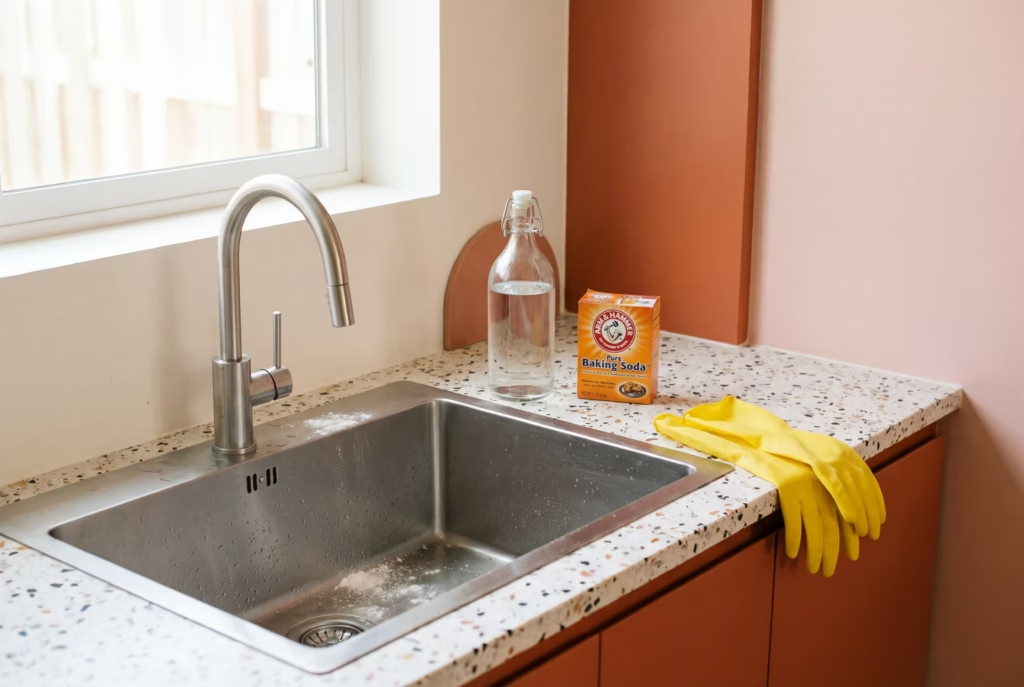
After clearing the plug hole, the most effective low-risk method is a natural reaction that targets grease specifically. Pour baking soda directly into the drain, followed by a cup of white vinegar. The fizzing action helps break down fatty residue clinging to the pipe walls rather than simply pushing it further down. Leave the mixture to work for at least 15 minutes — longer if the sink has been slow for several days — then flush thoroughly with hot water. Used correctly, this is a great way to deal with grease build-up without stressing pipe joints or seals.
If the kitchen sink remains slow or becomes fully blocked, introduce a plunger. Make sure the rubber cup completely covers the plug hole, block the overflow opening if there is one, and plunge with steady, controlled pressure. Professional cleaners favour plungers because suction pulls grease build-up back towards the plug hole, where it breaks apart, instead of forcing it deeper into the waste pipe. When used properly, this method resolves most kitchen sink blockages without the need for chemical drain unblockers.
How to Unblock with Standing Water
A fully sink clogged with standing water indicates that the blockage has compacted and the pipe is effectively sealed. At this point, continuing to run the tap or pouring products directly into stagnant water is counterproductive and increases the risk of overflow.
Begin by removing as much water as possible from the sink. This creates space for pressure-based methods to work and reduces mess. Wearing rubber gloves, inspect the plug hole again, as compact debris often rises once the water level drops. Only then should plunging begin. Apply pressure rhythmically rather than aggressively; sharp, forceful plunging can loosen joints or seals, particularly in older plumbing.
If repeated plunging produces no improvement, the blockage is likely located further down the waste pipe. Chemical drain unblockers may be considered at this stage, but only one product should ever be used and never mixed. Persistent failure is a clear sign to stop and avoid pipe damage.
What is the Best Way to Unblock a Sink
The best way to unblock a sink is a structured escalation rather than a single technique. Each stage targets a different type of blockage while minimising damage to pipework.
Professional practice follows this order:
| Stage | Method | Target | Risk |
|---|---|---|---|
| 1 | Manual plug hole cleaning | Surface debris | None |
| 2 | Hot water | Grease build-up / soap residue | Very low |
| 3 | Baking soda + cup of white vinegar | Organic residue | Low |
| 4 | Plunger | Compact blockages | Medium |
| 5 | Chemical drain unblockers | Severe blockages | High |
Skipping steps often leads to recurring blockages or damaged pipes. Following them patiently is what actually solves the problem long-term.
Natural Sink Unblocker
A natural sink unblocker is both a solution and a preventative tool. Baking soda and vinegar work by loosening organic residue gradually, which makes them ideal for early-stage blockages and routine maintenance. Used once a month, this method significantly reduces grease build-up in a kitchen sink and soap residue in a bathroom sink.
Always finish with hot water to flush loosened debris away before it has time to reattach. Natural methods are safe for most domestic plumbing, but they are not miracle cures. Even though baking soda and vinegar remove hair block, dense hair clumps or long-standing blockages can require mechanical action.
Overflowing Kitchen Sink
An overflowing kitchen sink signals a severe blockage combined with continued water use. The first priority is to stop the water source immediately to prevent damage to cupboards, flooring and appliances. Once the water level stabilises, identify the cause of the blockage.
Grease build-up responds best to heat and suction, while food debris usually requires plunging. Avoid adding drain unblockers to an overflowing sink, as chemicals in standing water increase splash risk and reduce effectiveness. Calm, methodical action is safer and more effective than rushing.
Unblock Sink without Plunger
To unblock sink without plunger, rely on chemical reaction and gravity rather than pressure. Baking soda followed by a cup of white vinegar is the most reliable option for partial blockages. Allow enough time for the reaction to work before flushing with hot water.
This method works well when the sink drains slowly but rarely clears a fully compacted blockage. If there is no improvement after two attempts, mechanical intervention is required.
Bathroom sink: specific considerations
A bathroom sink typically blocks due to hair and soap residue binding together just below the plug hole. Manual removal is often enough to restore drainage, followed by hot water and vinegar to dissolve remaining residue. Avoid aggressive drain unblockers, particularly in older plumbing systems.
When to stop and call a professional ?
If multiple methods fail or water backs up into another fixture, the blockage is likely beyond the sink trap. Continuing DIY attempts risks leaks and pipe damage. Stopping early is often cheaper than repairing pipes later.