Summarise this article with:
 ChatGPT
 Mistral
 Claude
 Perplexity
 Grok
Grok
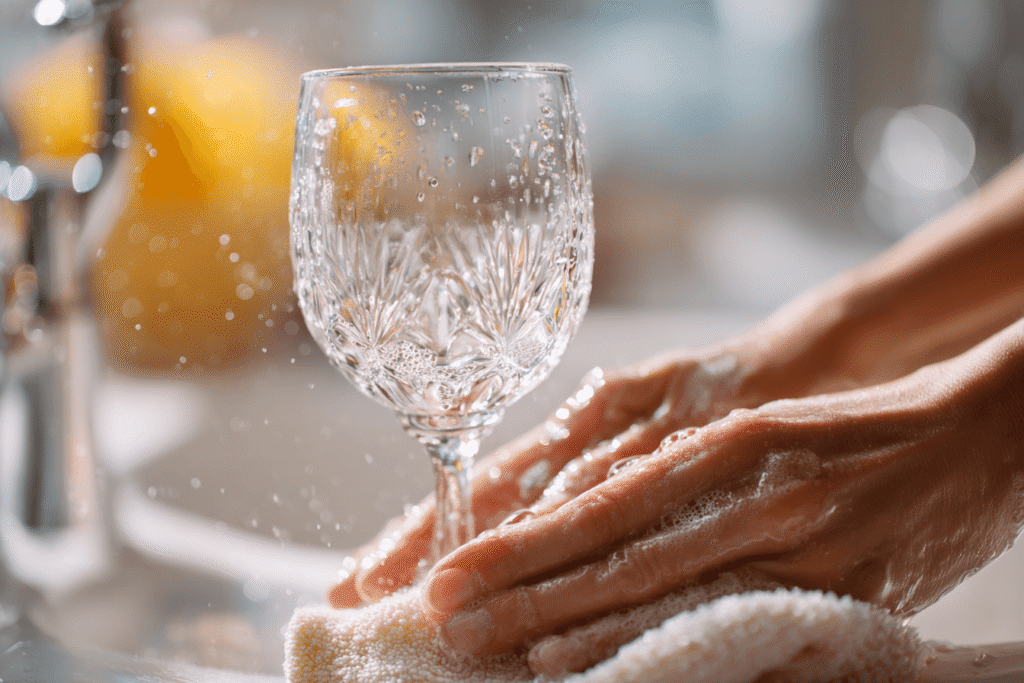
Nothing beats the satisfaction of crystal-clear glasses that sparkle like they’ve just stepped out of a posh restaurant. We know the struggle – you wash your favourite wine glasses only to find them looking cloudier than a British summer’s day. That’s where we come in with eco-friendly solutions that’ll have your glassware gleaming without harsh chemicals.
Why Your Glasses Go Cloudy (And How We Fix It)
Your glassware loses its shine due to two main culprits lurking in your kitchen. Hard water deposits from calcium and magnesium minerals cling to surfaces during the cleaning process, while etching occurs when harsh detergents combine with high temperatures on the top rack of your dishwasher.
Here’s what we tackle with our gentle detergent approach:
• Mineral buildup – dissolved by natural acids in warm water • Soap residue – eliminated with proper rinsing techniques
• Etching damage – prevented through low temperature washing and proper care
Our eco-friendly cleaning solution breaks down stubborn films without damaging your precious piece of glassware. NOTE: We always recommend air circulation during drying times to prevent water spots from forming again.
Essential Tools for Streak-Free Glassware
Brushes That Won’t Scratch Your Precious Crystal
Choosing the right brush makes all the difference when you’re cleaning delicate crystal. We recommend foam-bristled brushes specifically designed for glassware – they’re gentle enough to protect your precious pieces while tough enough to tackle stubborn residue.
Top brush types for crystal cleaning: • Foam stemware brushes – perfect for narrow flutes and wine glasses • Soft-tip bottle brushes – ideal for decanters and vases
• Baby bottle brushes – brilliant for reaching awkward curves
The secret lies in reinforced foam bristles that won’t chip or scratch your crystal’s surface. These specialised tools clean thoroughly without the harsh scrubbing action that damages traditional glassware. Always choose brushes with non-scratch bristles over wire or stiff plastic alternatives.
Pro tip: Look for brushes that are dishwasher safe – you can clean glassware and sanitise your tools in one go. You can also read our full guide on how to clean glass.
Microfibre Cloths vs Traditional Tea Towels
When it comes to drying your precious glassware, the battle between microfibre cloths and traditional tea towels is more heated than a British summer (when we actually get one).
Microfibre cloths are brilliant for streak-free results – their ultra-fine fibres trap dust and moisture without leaving lint behind. They’re particularly ace for delicate crystal and wine glasses where every smudge shows.
Traditional tea towels, on the other hand, offer that classic British kitchen charm. Cotton varieties absorb well but can leave fibres on your glassware, while linen tea towels work beautifully for everyday glasses.
| Aspect | Microfibre Cloths | Traditional Tea Towels |
|---|---|---|
| Lint-free finish | ✓ Excellent | Limited (depends on quality) |
| Streak prevention | ✓ Superior | Good with proper technique |
| Durability | Hundreds of washes | Varies by material |
| Best for | Crystal & delicate glassware | Everyday glasses & dishes |
We recommend keeping both in your cleaning arsenal – microfibre for your finest pieces, tea towels for daily use.
Natural Cleaning Solutions You Already Own
Your kitchen cupboard holds more cleaning power than you’d think. White vinegar cuts through mineral deposits like nobody’s business, while baking soda acts as a gentle abrasive for stubborn residue without scratching surfaces.
| Household Item | Best For | How to Use |
|---|---|---|
| White vinegar | Hard water spots, film removal | Mix 1:1 with water in spray bottle |
| Baking soda | Gentle scrubbing, odour removal | Make paste with small amount of water |
| Lemon juice | Natural shine, fresh scent | Use neat or diluted for final rinse |
| Dish soap | General cleaning, grease removal | Few drops in warm water |
Bonus ingredients: Cornstarch prevents streaking when mixed with vinegar solutions, while rubbing alcohol speeds up drying time. These pantry staples cost pennies compared to specialist cleaners and work just as well on your precious glassware.
Hand Washing: The Gentle Approach That Works
Water Temperature That Makes All the Difference
Warm water wins every time when it comes to proper glassware cleaning. Too hot and you’ll risk cracking delicate crystal, too cold and you won’t shift stubborn residue effectively.
Perfect temperature guidelines: • Hand washing: Comfortably warm – if it’s too hot for your hands, it’s too hot for your glasses • Rinsing: Same warm temperature to prevent thermal shock • Crystal pieces: Slightly cooler than regular glassware to prevent damage
The science is simple: warm water helps dissolve soap more effectively while loosening mineral deposits and grease. Cold water leaves you battling against basic chemistry, whilst scorching water can cause expensive crystal to crack from sudden temperature changes.
Pro tip: Test the water temperature on your wrist first – it should feel pleasantly warm, not hot.
Soap Selection for Crystal-Clear Results
Mild dish soap reigns supreme for delicate glassware – harsh detergents containing bleach or ammonia can permanently damage crystal surfaces. We swear by grease-cutting formulas like Dawn or Fairy Liquid that tackle wine residue without leaving cloudy films behind.
What to choose: • Gentle dish soap – removes grease without harsh chemicals • Crystal-specific cleaners – worth the investment for valuable pieces
• Natural alternatives – castile soap works brilliantly for eco-conscious cleaning
What to avoid: • Antibacterial soaps – leave residue that clouds surfaces • Washing-up liquids with moisturisers – create streaky films • Dishwasher tablets – too harsh for hand washing delicate pieces.
| Soap Type | Best For | Why It Works |
|---|---|---|
| Mild dish soap | Everyday glassware | Cuts grease, rinses clean |
| Crystal cleaner | Fine crystal, antiques | pH-balanced, residue-free |
| Castile soap | Eco-friendly cleaning | Plant-based, gentle formula |
Just 2-3 drops in warm water creates enough suds for thorough cleaning without oversaturating your glassware.
Proper Rinsing Technique
Multiple rinses beat a single thorough rinse every time when you’re after spotless results. Start with warm running water to remove soap residue, holding each glass at an angle to ensure complete coverage.
Essential rinsing steps: • First rinse – warm tap water for 10-15 seconds • Second rinse – cooler water to remove any remaining soap film
• Final rinse – brief splash with distilled water for ultimate clarity
The trick lies in changing water temperature gradually – sudden shifts cause thermal shock that can crack delicate pieces. For crystal glassware, we always finish with a gentle shake to remove excess water droplets before air drying.
Dishwasher salts help soften hard water during machine rinsing, while a final acetone rinse speeds up drying for laboratory-grade cleanliness.
Vinegar Solutions for Stubborn Stains
Remove hard water stains from glassware
Those stubborn white spots on your glassware aren’t just unsightly – they’re mineral deposits that get tougher to shift the longer you leave them.
White vinegar tackles limescale brilliantly thanks to its acidic properties. Mix equal parts vinegar and warm water in a spray bottle, then soak affected glasses for 10-15 minutes before wiping clean with a soft cloth.
For particularly stubborn marks, try this method:
- Create a paste using baking soda and lemon juice
- Apply to problem areas using circular motions
- Leave for 5 minutes, then rinse thoroughly
- Finish with a vinegar solution for extra shine
Citric acid works wonders too – mix with a drop of washing-up liquid for an effective limescale remover that’s gentler than harsh chemicals.
Always rinse with distilled water as your final step to prevent new mineral deposits forming.
Tackling Wine Stains on Crystal
Red wine stains demand swift action, but don’t panic – crystal can handle gentle treatment when you know the right approach.
Immediate response wins: Rinse with lukewarm water straight away to prevent tannins from setting into the crystal surface. For fresh stains, this simple step often does the trick completely.
| Stain Type | Best Solution | Method |
|---|---|---|
| Fresh red wine | Salt water rinse | Dissolve 2 tbsp salt in warm water, swirl gently |
| Dried wine residue | Vinegar-soaked cotton ball | Dab affected areas, leave 5 minutes, rinse |
| Stubborn lipstick marks | Rubbing alcohol on microfibre | Light circular motions, immediate rinse |
Never use harsh scrubbing on crystal surfaces – the lead content makes them more susceptible to scratching than regular glass. Instead, let your chosen solution do the work while you focus on thorough rinsing.
Top trick: Fill stained glasses with denture cleaning tablets dissolved in warm water overnight for particularly challenging marks.
Dishwasher Do’s and Don’ts
Loading Your Glassware Safely
Proper placement prevents disasters – and we’ve seen enough shattered crystal to know the difference between careful loading and wishful thinking.
Top rack wins for delicate pieces every single time. Wine glasses, champagne flutes, and thin tumblers belong here where water pressure stays gentle and temperatures remain cooler. Space them generously – glasses that touch during the cycle often end up chipped or cracked.
Sturdy everyday glasses with thick bases can handle the bottom rack, but only if they’re clearly marked dishwasher safe. Check the base for symbols before taking any chances with your favourites.
| Glassware Type | Best Placement | Key Safety Tip |
|---|---|---|
| Wine glasses | Top rack only | Use stemware holders if available |
| Everyday tumblers | Top or bottom rack | Ensure dishwasher-safe marking |
| Crystal pieces | Hand wash recommended | Dishwasher heat can cause permanent etching |
Never nest glasses together – they’ll stick like glue and crack when you try separating them. Your dishwasher works brilliantly when you give each piece breathing room, and if you encounter problems with it, you can read our article on how to clean your dishwasher.
Temperature Settings That Prevent Etching
Getting your dishwasher temperature spot-on protects glassware from permanent clouding damage.
Keep water below 60°C – anything hotter creates the perfect storm for etching, especially with soft water. Most dishwashers heat water automatically, but you can control the chaos by selecting gentler cycles.
| Cycle Type | Temperature Range | Best For |
|---|---|---|
| Glass/Delicate | 40–45°C | Crystal, wine glasses |
| Normal wash | 50–55°C | Everyday glassware |
| Avoid completely | Above 60°C | Nothing fragile |
Quick wins for glassware protection:
- Choose eco or glass programmes for lower heat
- Skip the heated dry setting
- Check your water heater runs at 55°C maximum
Remember, high temperatures make glass surfaces vulnerable to chemical attack from detergents. When combined with soft water, you’re looking at permanent etching that no amount of vinegar can fix.
Natural Cleaning Powerhouses
Baking Soda for Gentle Scrubbing
Bicarbonate of soda works magic on stubborn glassware stains without the scratching drama that harsh abrasives cause.
This pantry hero tackles cloudy film and dried-on residue through its mild abrasive action – tough enough to shift grime, gentle enough for your finest crystal. Think of it as nature’s scrubbing bubbles with better manners.
Simple paste method that actually works:
- Mix 2 tablespoons baking soda with just enough water to form a thick paste
- Apply with a soft sponge using light circular motions
- Let it sit for 10-15 minutes to break down mineral deposits
- Rinse thoroughly with warm water to remove all residue
| Glass Type | Application Time | Best Technique |
|---|---|---|
| Everyday tumblers | 5–10 minutes | Direct paste application |
| Wine glasses | 15 minutes maximum | Gentle dabbing only |
Word of caution: Never use dry baking soda directly on glass – always create that paste first to prevent micro-scratches that dull your glassware’s sparkle.
Lemon Juice for Natural Shine
Fresh lemon juice delivers brilliant shine while tackling mineral deposits that dull your glassware’s sparkle.
The citric acid naturally dissolves hard water stains and soap residue, leaving crystal-clear results with a fresh scent. Cut a lemon in half and rub directly onto cloudy areas, or create a cleaning solution for larger jobs.
| Method | Application | Best For |
|---|---|---|
| Direct rubbing | Cut lemon, rub on glass | Spot cleaning, wine glasses |
| Lemon water spray | 3 tbsp juice + 1 cup water | Large batches, everyday glasses |
Quick application tips:
- Let juice sit for 5 minutes before rinsing
- Combine with salt for extra scrubbing power on stubborn marks
- Always rinse thoroughly to prevent sticky residue
The natural oils in lemon peel add extra shine when you use the whole fruit directly on glass surfaces.
White Vinegar as Your Secret Weapon
White vinegar cuts through mineral deposits like nothing else – this kitchen staple dissolves limescale, soap scum, and cloudy film with zero harsh chemicals.
Mix equal parts white vinegar and warm water in a spray bottle for your go-to glass cleaner. For heavily stained pieces, use undiluted vinegar and let it sit for 15 minutes before wiping clean.
Application methods that deliver results:
- Soaking method: Submerge cloudy glasses in warm vinegar for 5 minutes
- Spray technique: Apply solution, wait 10 minutes, wipe with microfibre cloth
- Stubborn stains: Heat vinegar slightly for extra cleaning power
The acidic properties break down mineral buildup without scratching delicate surfaces. Always follow with a thorough warm water rinse to remove any vinegar smell and prevent residue.
Drying and Polishing Like a Pro
Air Drying vs Towel Drying
Which camp are you in? The great glassware drying debate splits households faster than arguing over the proper way to make tea.
Air drying lets gravity do the work while towel drying gets your glasses ready immediately. Both methods work brilliantly when done properly, but each suits different situations.
| Method | Best For | Time Required | Risk Level |
|---|---|---|---|
| Air drying | Daily washing, delicate crystal | 20–40 minutes | Low breakage risk |
| Towel drying | Entertaining guests, quick turnaround | 2–3 minutes | Higher if rushed |
Air drying wins for crystal safety – no handling means no accidental drops or pressure damage. Position glasses upside down on a clean tea towel for proper drainage.
Towel drying delivers instant results when you need glasses immediately. Use lint-free microfibre cloths and gentle circular motions to prevent streaking.
The verdict? Keep both methods in your cleaning toolkit and choose based on your timeline and glassware type.
Achieving That Restaurant-Quality Sparkle
Professional establishments rely on a specific polishing sequence that transforms ordinary clean glasses into showstoppers.
Start with completely dry glassware – any moisture creates streaks no matter how perfect your technique. Hold glasses by the base or stem to avoid fingerprints during the process.
The restaurant method that works:
- Use coffee filters instead of cloths for zero lint transfer
- Polish in small circular motions from rim to base
- Finish with a final buff using newspaper for extra brilliance
- Store immediately to prevent dust settling
This technique prevents the dreaded water spots that dull even the cleanest glassware. The secret lies in timing – polish just before serving for maximum impact.
Storage That Keeps Your Glassware Pristine
Proper storage transforms clean glassware into lasting brilliance – but cramming glasses together like sardines guarantees chips and scratches.
Your storage setup needs breathing room and protection from dust. Cabinet shelves work best when lined with soft materials that cushion against knocks during busy kitchen moments.
Smart storage solutions that actually work:
- Upright positioning prevents rim pressure and potential cracks
- Shelf liners create cushioned surfaces for everyday glassware
- Hanging racks save space while protecting delicate stems
- Dust covers keep stored pieces pristine between uses
| Storage Type | Best For | Space Required | Protection Level |
|---|---|---|---|
| Cabinet shelves | Daily glassware | Medium | Good with liners |
| Hanging racks | Wine glasses, stemware | Minimal | Excellent |
| Glass racks | Commercial quantities | High | Maximum |
Temperature matters too – avoid storing near heat sources or in damp areas where condensation creates water spots on clean surfaces. And when in doubt, you can call our professionals !